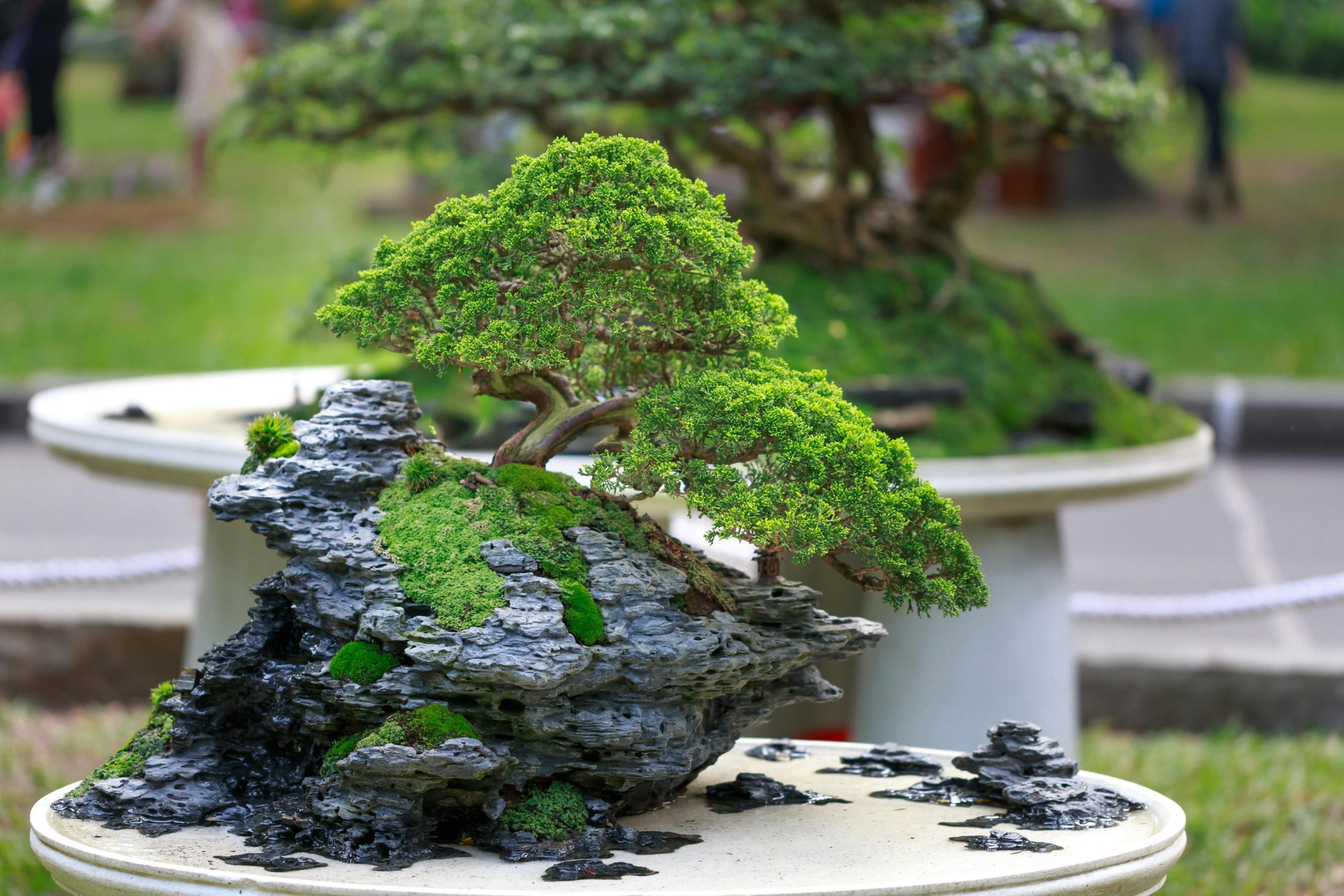
What Is the Golden Rule of Bonsai?
When you shape a bonsai tree, you do more than trim branches. You guide a living plant that grows and changes each day. To do that well, you need to follow one core idea that keeps your tree healthy and natural.
The golden rule of bonsai is to prioritize the tree’s health over immediate aesthetic gains. This rule reminds you to respect the tree’s needs, balance growth with careful pruning, and create harmony between health and design.
As you learn more, you will see how this rule shapes every choice you make. It guides how you water, prune, wire, and style your tree. It also helps you understand seasonal changes, species differences, and the role of art and balance in bonsai.
Defining the Golden Rule of Bonsai
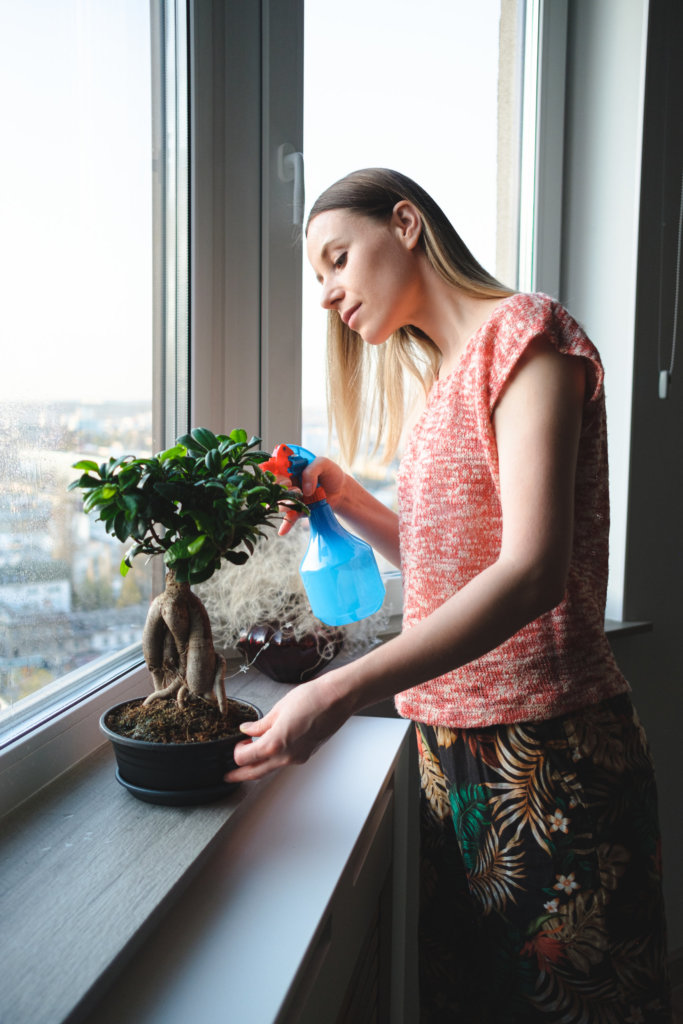
The Golden Rule of bonsai is to prioritize the tree’s long-term health over immediate aesthetic gains. You must practice patience and provide consistent care, ensuring the tree remains vigorous before applying any shaping techniques.
The Core Principle: Patience and Observation
The golden rule of bonsai often comes down to a simple idea: think like a tree. Before you prune or wire, you stop and study how your bonsai grows.
You watch how light hits the leaves. You notice where new buds form and how water drains through the soil. This habit of close observation helps you make better choices.
Bonsai cultivation moves slowly. Trees respond over weeks and months, not days. If you rush heavy pruning or wiring, you weaken the tree.
Patience protects the health of your bonsai trees. You trim in stages, allow recovery time, and adjust care with the seasons.
When you understand what bonsai is, a living tree shaped in a small container, you accept that nature sets the pace. Your role is to guide growth, not force it.
Natural Growth and Proportionality
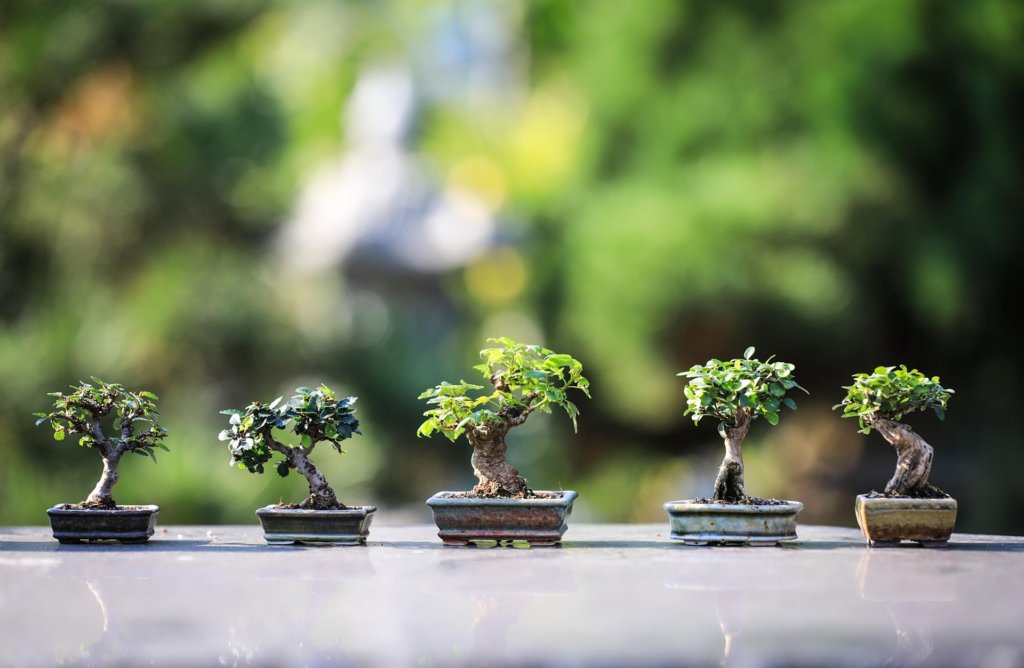
The golden rule of bonsai also requires balance. Your tree should look like a full-sized tree in nature, only smaller.
You create this effect through proportion. The trunk, branches, roots, and foliage must relate to each other in a clear and stable way.
Many growers use simple ratios to guide design. For example:
- The tree’s height often equals about six to twelve times the trunk width.
- The first branch usually sits about one-third of the way up the trunk.
- The pot depth often matches the trunk’s diameter.
These are not strict laws. They are visual guides that help your bonsai look natural.
In bonsai cultivation, you avoid perfect symmetry. Trees in nature lean, curve, and vary in branch length. When you shape your bonsai trees with this in mind, you follow the golden rule by respecting both biology and visual balance.
Key Elements and Techniques Guided by the Golden Rule
You shape bonsai by thinking like a tree and responding to its natural growth patterns. Each cut, bend, and watering choice should support both health and balanced design in your miniature trees.
Pruning for Health and Shape
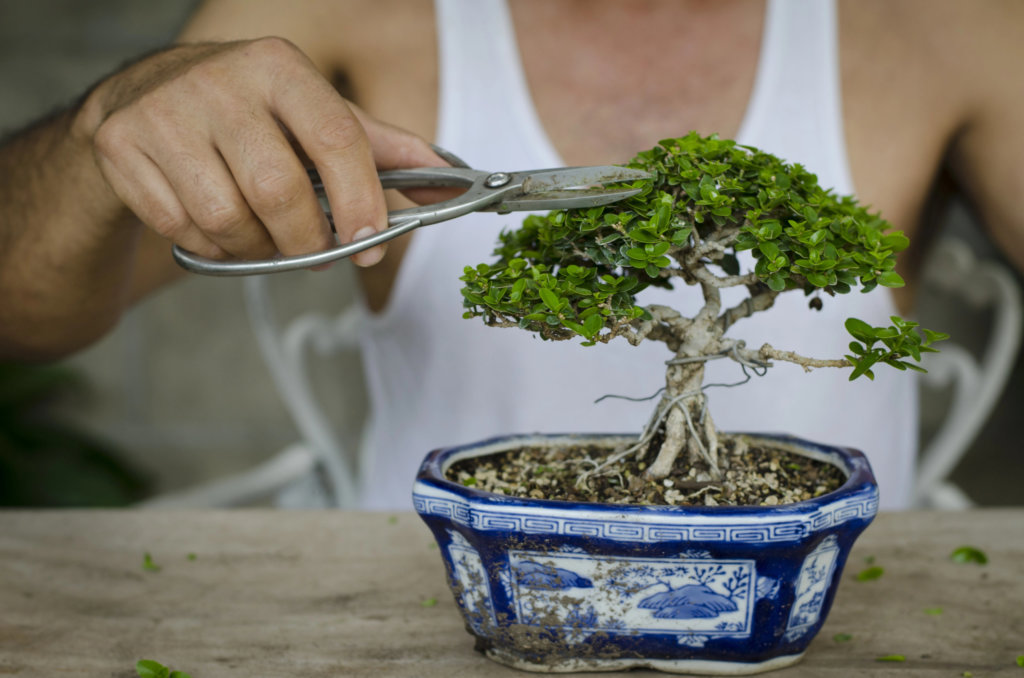
You prune to guide structure, not just to reduce size. Remove dead, weak, or diseased growth first to protect overall bonsai care. While this step serves as essential sanitation to prevent the spread of decay or pests, it also plays a strategic role in development.
Unlike the common misconception that removing weak growth “pushes” energy into strong branches, when in reality, many species are apically dominant and will favor strong shoots regardless, the goal of pruning is to redistribute energy.
By selectively pruning your most vigorous areas, you shift the tree’s resources toward its weaker, underdeveloped branches, allowing you to achieve the structural balance and uniformity essential for a healthy, aesthetic bonsai.
Next, correct structural problems. Cut:
- Eye-poking branches that grow straight toward the viewer
- Crossing branches that rub or block light
- Strong shoots that break the tree’s outline
Keep a clear front and visible trunk line. Most designs include a back branch to create depth. From there, build layered foliage pads using well-spaced primary and secondary branches.
Avoid removing too much at once. Most trees handle light, repeated pruning better than heavy cuts. Always leave enough foliage for photosynthesis. When you think like a tree, you prune to improve light flow and air movement, not just appearance.
Wiring and Branch Placement
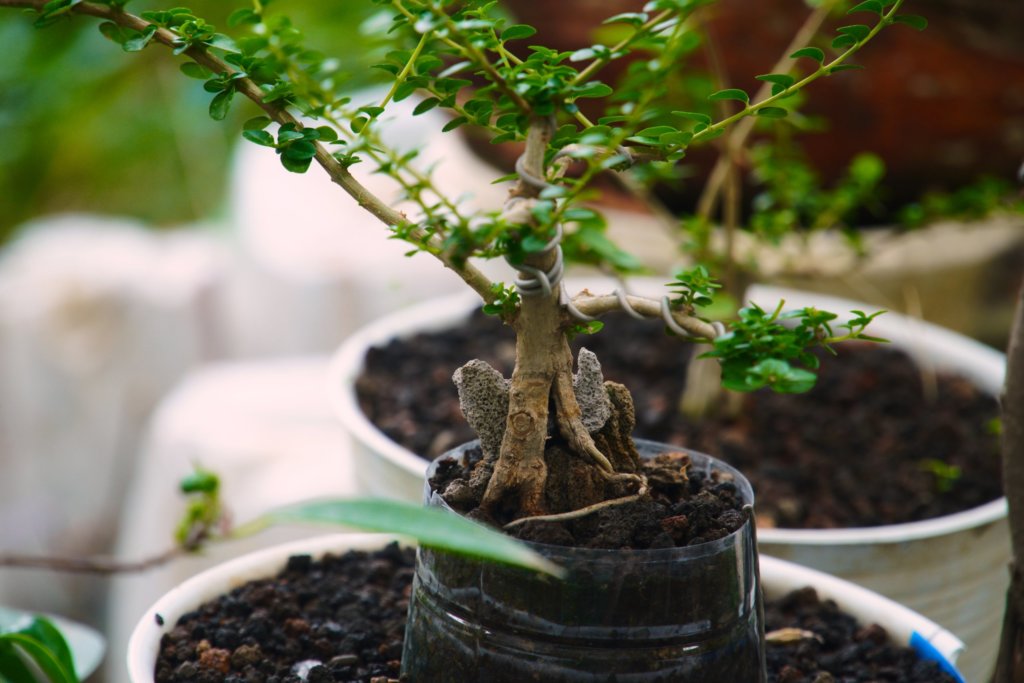
You use wiring to position branches into balanced, natural lines. Apply wire at a 45-degree angle and anchor it firmly without cutting into bark.
Bend branches slowly. Support the outside of the curve with your fingers to prevent cracks. If a branch resists, stop and adjust over time.
Focus on structure:
- First branch slightly lower and to one side
- Second branch on the opposite side
- A back branch for depth
- Gradual taper toward the top
Remove crossing branches and avoid clutter. Each branch should have space and purpose. Arrange growth into clear foliage pads, with open gaps between them for light.
Check the wire every few weeks. Remove it before it bites into the bark. Good bonsai techniques guide growth without harming the tree’s natural flow.
Root Management and Repotting
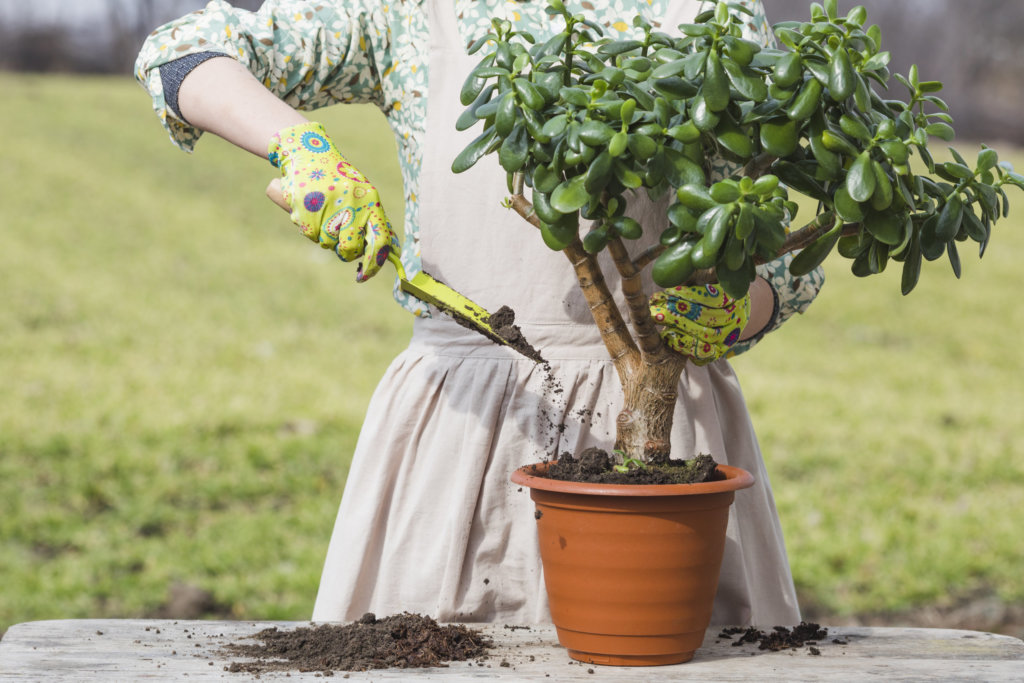
Healthy roots support strong top growth. You manage roots to keep your bonsai stable and compact.
Repot young trees every 1–2 years. Older, established bonsai may need repotting every 3–5 years. Early spring works best for most species.
During repotting:
- Remove the tree from its pot.
- Trim long, thick roots.
- Keep fine feeder roots close to the trunk.
Never remove more than about one-third of the root mass at once. The tree needs enough roots to absorb water and nutrients.
Use well-draining soil. Bonsai soil often includes akadama, pumice, or lava rock. Good drainage prevents root rot and supports steady growth.
Balanced root pruning keeps the tree small while maintaining health. You control the size without starving the tree.
Watering and Nutrient Balance
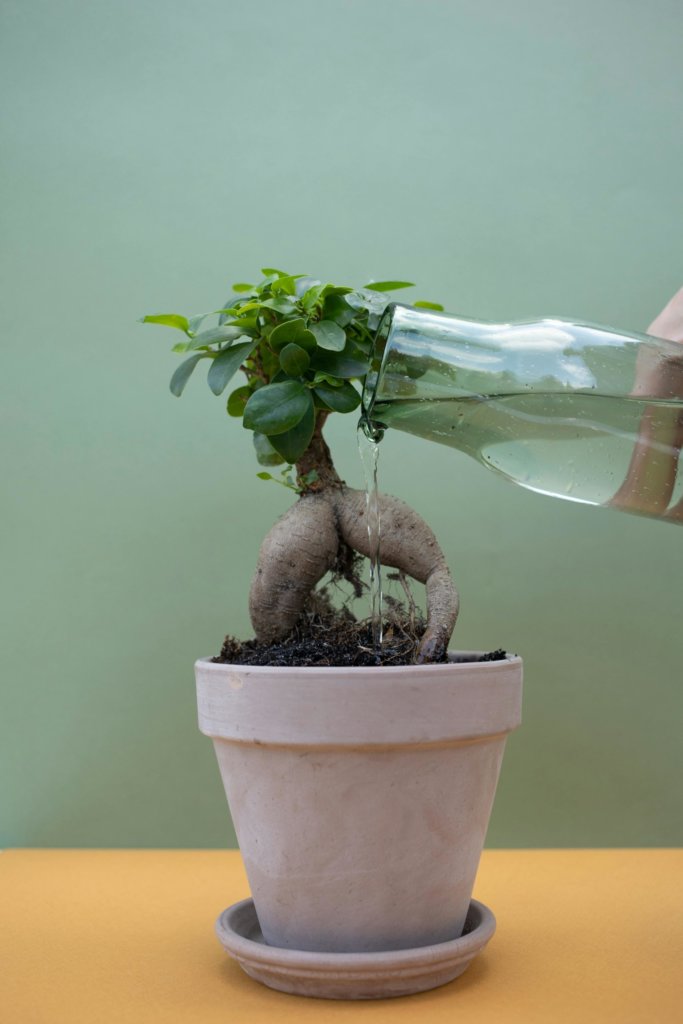
Watering affects every part of bonsai care. You water when the top layer of soil feels slightly dry, not on a fixed schedule.
Check soil daily during warm weather. Water thoroughly until it drains from the bottom of the pot. This flushes old salts and ensures even moisture.
Avoid two extremes:
- Soil that stays soggy
- Soil that dries out completely
Both weaken roots and reduce growth.
Feed your bonsai during the growing season with a balanced fertilizer. Use lower nitrogen for refined trees with developed foliage pads, and slightly higher nitrogen for trees still building structure.
Reduce feeding in late fall and winter for most species. Healthy nutrient balance supports steady growth, strong secondary branches, and compact leaves. When you adjust care based on season and growth stage, you follow the golden rule in daily practice.
Bonsai Health, Seasonal Rhythms, and Species Considerations
You keep a bonsai healthy by putting tree vitality before design. You adjust care with the seasons and match your methods to the species you grow.
Ensuring Tree Vitality
The golden rule of bonsai starts with health. You never shape or prune a weak tree.
Check soil moisture daily. Water when the top layer feels slightly dry, and soak the root ball until water drains from the holes. Do not water on a fixed schedule. Soil, pot size, and weather change how fast it dries.
Feed during active growth with a balanced fertilizer. Reduce or stop feeding when growth slows.
Watch for clear warning signs:
- Yellowing leaves out of season
- Soft or black roots
- Weak, pale new growth
- Pests on leaf undersides
Place your bonsai where it gets the right amount of light for its species. Many outdoor bonsai need bright light but require protection from scorching afternoon sun. Poor light weakens growth and limits your ability to train the tree safely.
Adapting Care to Seasonal Changes
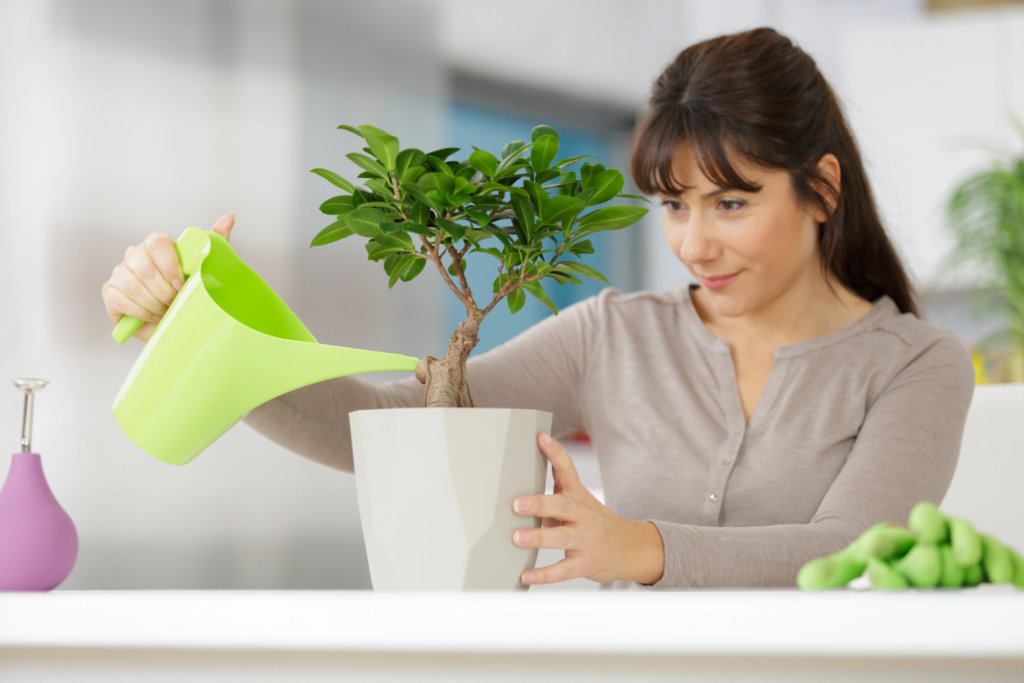
Bonsai follow natural growth cycles. You must adjust care as the seasons change.
In spring, trees push new growth. This is the main time for fertilizing, repotting many species, and structural pruning. Timing matters. Prune too late, and you reduce energy the tree needs.
In summer, focus on watering control and heat protection. Small pots dry fast. Check soil more than once a day during heat waves.
In autumn, reduce feeding as growth slows. Prepare hardy species for winter.
Many temperate bonsai species, such as juniper bonsai and Japanese maple, require cold dormancy. They need several weeks of cold temperatures to reset their growth cycle. Protect roots from deep freezes, but do not keep these trees indoors all winter.
Species, Styles, and Indoor Bonsai
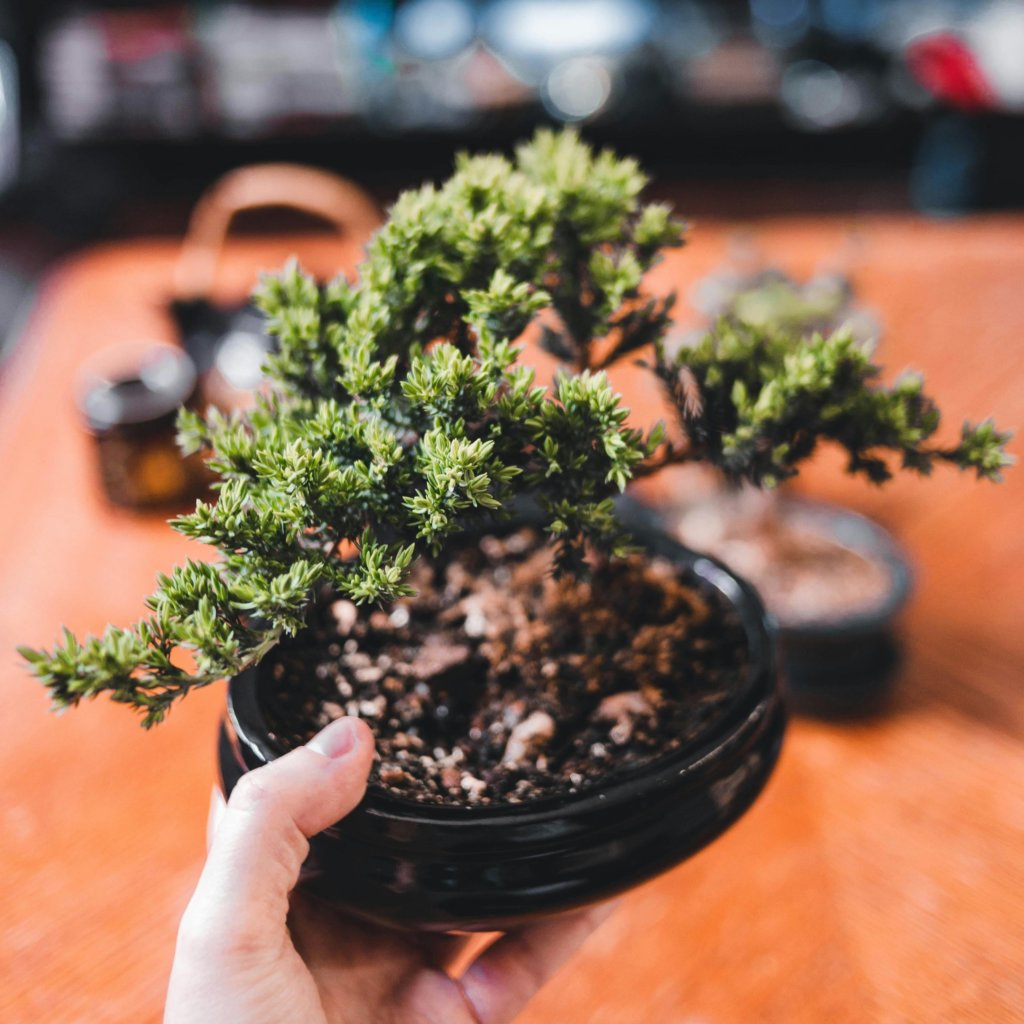
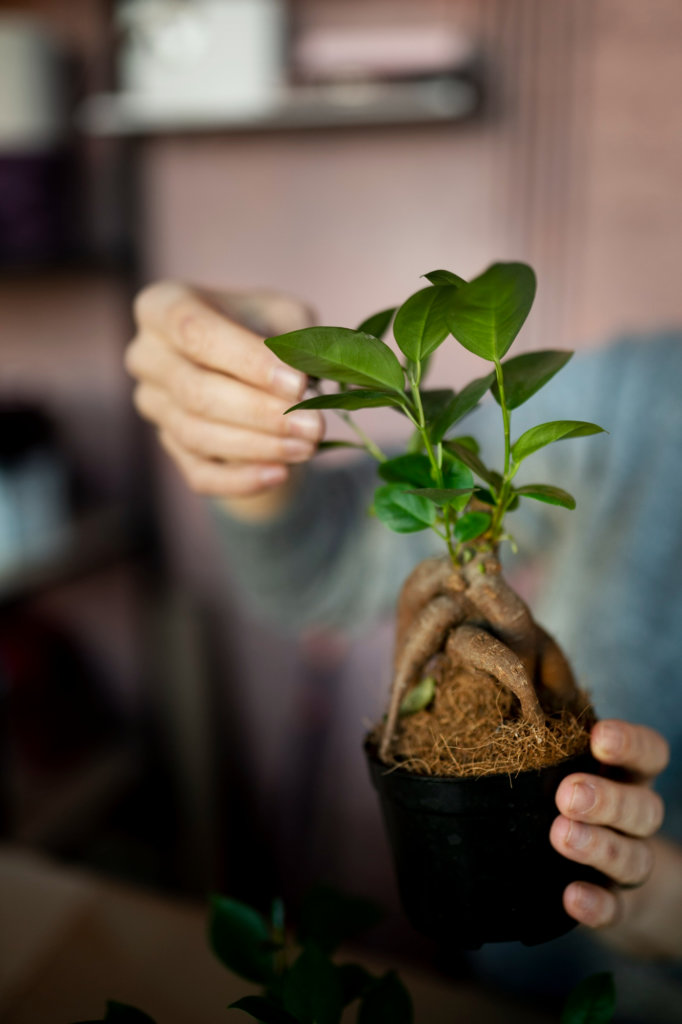
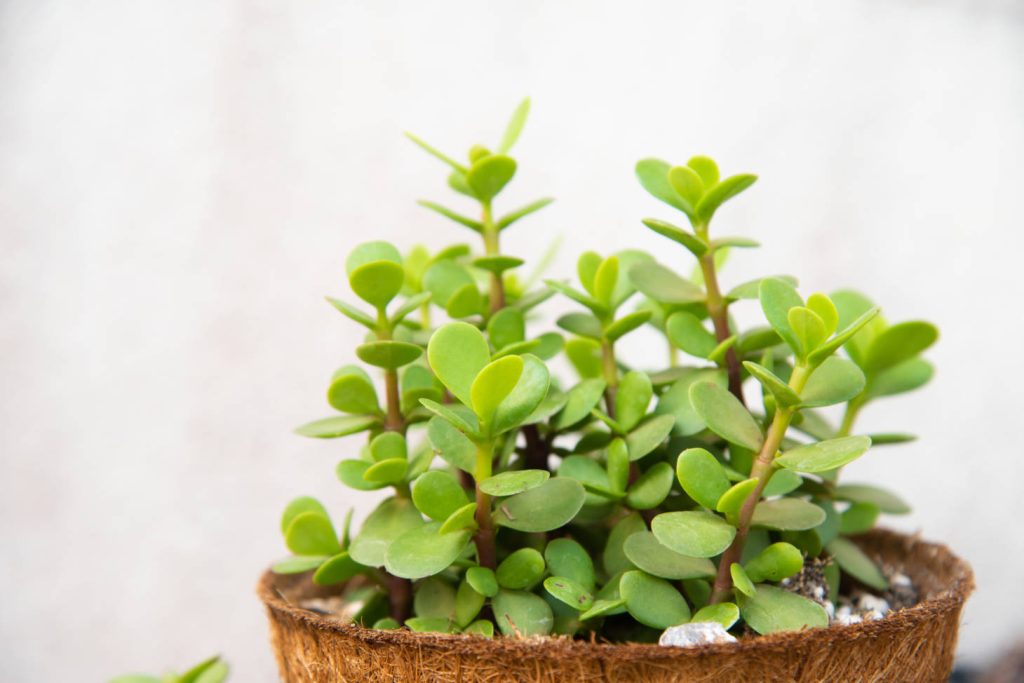
Different bonsai species have different limits. You must learn the needs of your specific tree.
A juniper bonsai thrives outdoors year-round in most climates. It needs full sun and winter chill. Keeping it indoors will weaken it over time.
Indoor bonsai are usually tropical or subtropical species, such as Ficus or Dwarf Jade, grown in warm climates. These trees do not require cold dormancy. Still, they need strong light, steady warmth, and careful watering.
Match your styling work to the species. Fast-growing trees handle pruning and wiring more often. Slow growers need longer recovery time.
When you respect species traits, seasonal rhythms, and basic health needs, you make better design choices and reduce long-term risk to your tree.
Artistry, Display, and Community in Bonsai
You shape more than a tree when you practice the art of bonsai. You make design choices, select proper display elements, and learn from others who share the craft.
Balancing Aesthetic Principles
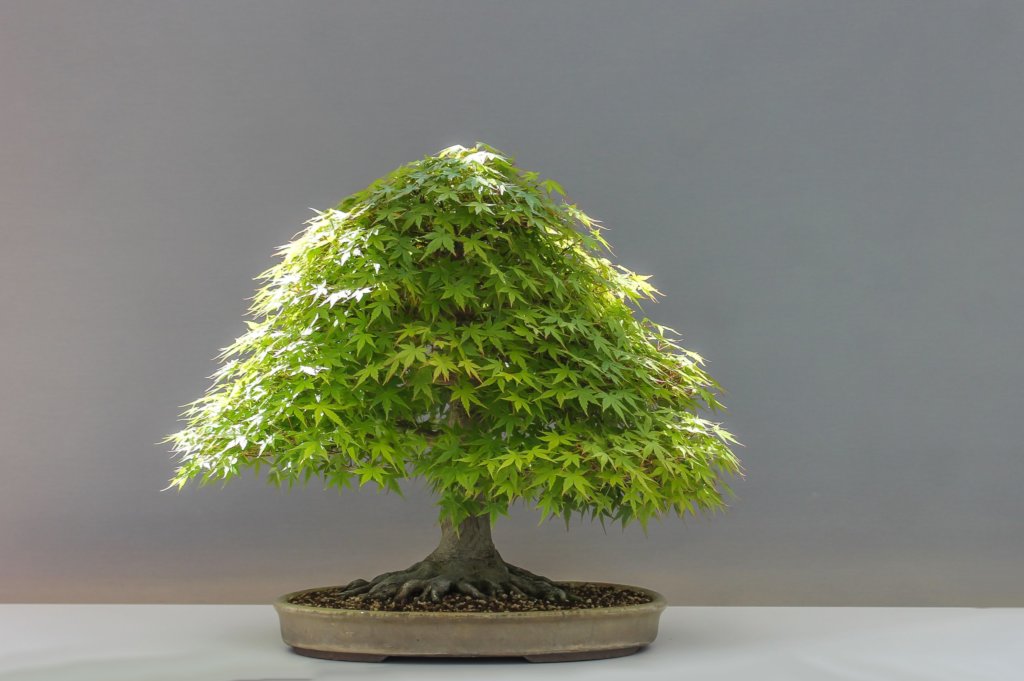
You follow the golden rule of bonsai by creating a tree that looks natural and stays healthy. Good bonsai artistry reflects how trees grow in the wild, not how you force them to grow.
Focus on three core design points:
- Proportion – The trunk, branches, and leaves must fit the tree’s size.
- Balance – Visual weight should feel stable, even in informal styles.
- Harmony – All parts should work together as one image.
A well-defined trunk gives structure. Branches should taper and grow in a way that makes sense for the species. For example, a juniper often shows flowing movement, while a maple grows more upright.
Many artists also study penjing, the Chinese art that influenced bonsai. Penjing often includes dramatic landscapes. Bonsai usually keeps a simpler, single-tree focus. In both forms, you aim to show nature in a small space.
When cultivating bonsai, never sacrifice tree health for design. Strong roots, healthy leaves, and steady growth always come first.
Choosing the Right Pots and Display
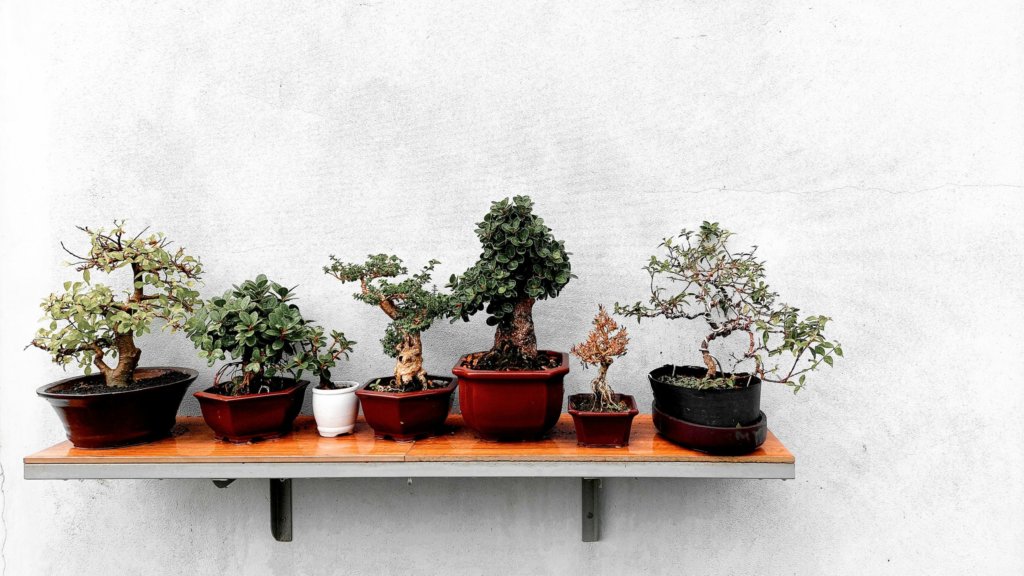
Your pot is part of the design. It should support the tree, not distract from it.
Match the pot to the tree’s style:
| Tree Style | Pot Type |
|---|---|
| Formal upright | Rectangular, unglazed |
| Informal upright | Oval, simple finish |
| Flowering tree | Often glazed pots |
| Rugged conifer | Unglazed, earthy tones |
Glazed pots work well with deciduous trees and flowering species. The color should highlight the leaves or flowers without overpowering them.
You also control display height and background. In formal shows, artists use stands to raise the tree to eye level. Clean lines and open space help viewers focus on the tree’s structure.
Good display follows the same golden rule: keep balance, proportion, and a natural feel.
Learning from Clubs and Tradition
You grow faster as a bonsai artist when you learn from others. Bonsai clubs offer hands-on lessons, critiques, and seasonal care tips.
Experienced members can spot design flaws you may miss. They can also guide you on pruning, wiring, and repotting at the right time.
Tradition matters in bonsai. Artists have passed down design principles for generations. These guidelines are not strict laws, but they help you avoid common mistakes.
When you join a club or attend exhibits, you see many styles at once. You learn how others apply the golden rule in different ways.
Community keeps you improving. It also keeps the art of bonsai strong and active.
Frequently Asked Questions
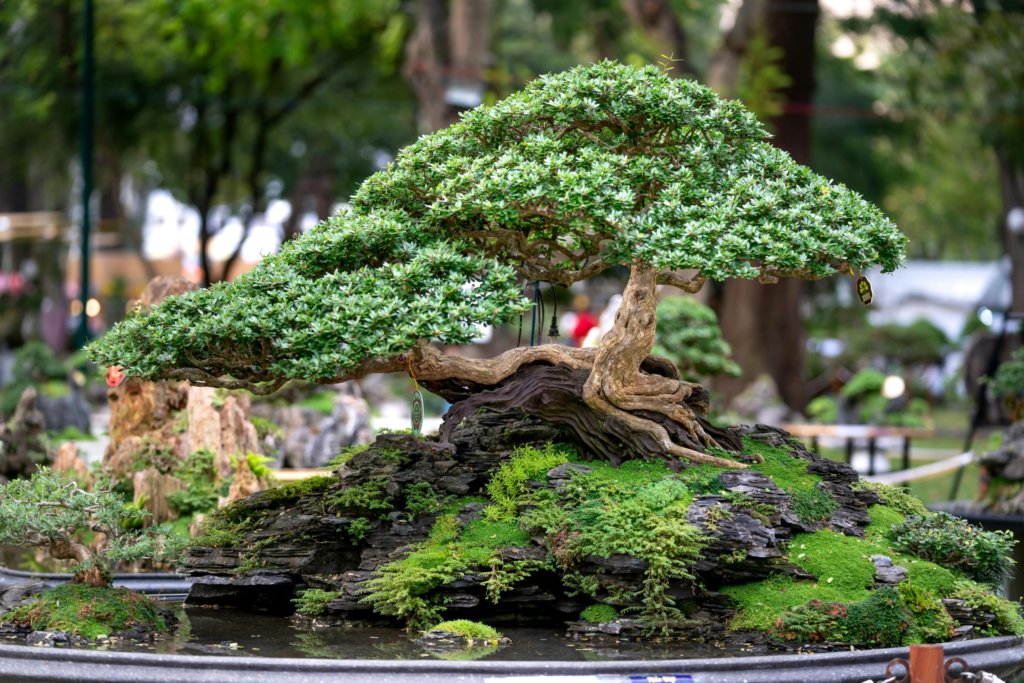
Bonsai follows clear care rules that protect tree health and shape. You succeed when you water at the right time, prune with purpose, and design with balance and proportion.
What core principle guides bonsai care and long-term success?
You must protect the tree’s health before you shape its form. A healthy tree responds well to pruning, wiring, and styling.
Water only when the top layer of soil feels dry. This simple habit prevents root rot from overwatering and stress from dry soil.
You also need patience. Bonsai grows slowly, and long-term success depends on steady care, not quick results.
How do you apply the bonsai golden ratio when designing a tree?
You create balance by keeping good proportion between the trunk, branches, and height. Many artists aim for a tree height that is about six to twelve times the trunk’s width near the base.
Place the first branch about one-third up the trunk. Space the next branches with slight variation to avoid a stiff pattern.
Keep the design natural. Avoid perfect symmetry, because real trees in nature do not grow that way.
What are the most common mistakes that violate basic bonsai care principles?
Overwatering causes more damage than most other errors. Wet soil without air flow can suffocate roots.
You also harm a bonsai when you prune too much at once. Removing large amounts of foliage weakens the tree and slows recovery.
Keeping an indoor bonsai in low light is another common mistake. Most species need bright, indirect light and fresh air to stay healthy.
How often should you prune and wire a bonsai without stressing it?
You can trim small amounts of new growth during the growing season to maintain shape. Limit heavy pruning to once or twice a year, depending on the species.
Apply wire during active growth when branches bend more easily. Remove the wire before it cuts into the bark, which may take a few weeks to a few months.
Watch the tree closely. Its growth rate tells you when it is ready for more work.
Is keeping a bonsai at home considered lucky or meaningful in tradition?
Many people see bonsai as a symbol of harmony, patience, and balance. In some Asian traditions, people connect bonsai with peace and steady growth.
You should not treat it as a magic object. Its meaning comes from the care and attention you give it over time.
What factors determine the value of an extremely old bonsai tree?
Age alone does not decide value. You must consider trunk thickness, taper, root spread, and overall design.
A well-developed tree with smooth taper and balanced branches often has higher value. Rarity of the species and years of skilled training also increase worth.
Documented history and careful maintenance make a difference as well. Buyers look for both health and artistic quality.