Can You Plant Bonsai Trees In The Ground?
You train a bonsai to stay small through careful pruning and tight root space. That control makes you wonder what will happen if you plant it in the ground. Will it stay small, or will it grow into a full tree?
Yes, you can plant a bonsai tree in the ground, but it will often grow faster and may lose its small size without proper control. When you give the roots more space, you remove the primary constraints on the tree’s development. Nearly all tree species will eventually revert to their full, natural size once those limitations are removed.
If you want to use the ground to thicken the trunk or speed up growth, you need the right method. The way you plant, prune, and manage the roots will shape the results. Understanding what happens and how to handle it will help you decide if planting in the ground fits your goals.
Planting Bonsai Trees In The Ground: What Happens And Why
When you plant a bonsai tree in the ground, you remove the limits that kept it small in a pot. Root space, soil depth, and water access change how the tree grows and how you manage bonsai training.
How Bonsai Growth Changes In The Ground
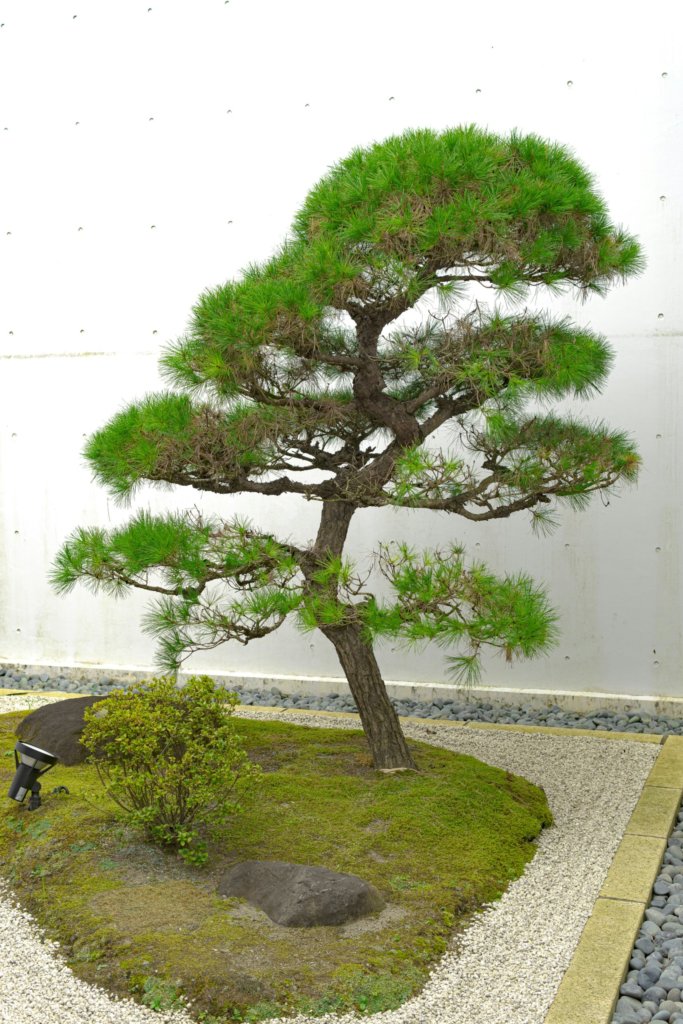
A bonsai stays small mainly because a shallow pot restricts its roots. When you grow bonsai in the ground, those roots spread wide and deep. This change increases vigor.
You will see faster trunk thickening and longer shoots. Leaves may grow larger, and branches can extend several feet in one season. Many bonsai species respond quickly once they have open soil and steady moisture.
In-ground bonsai also develop stronger root systems. Instead of circling inside a pot, roots anchor outward. This growth supports rapid top growth and can speed up bonsai development, especially with young pre-bonsai stock.
If you do not prune often, the tree will shift toward its natural size and shape. It will no longer act like a compact bonsai. It will act like a normal tree.
Typical Outcomes When Planting Bonsai In The Ground
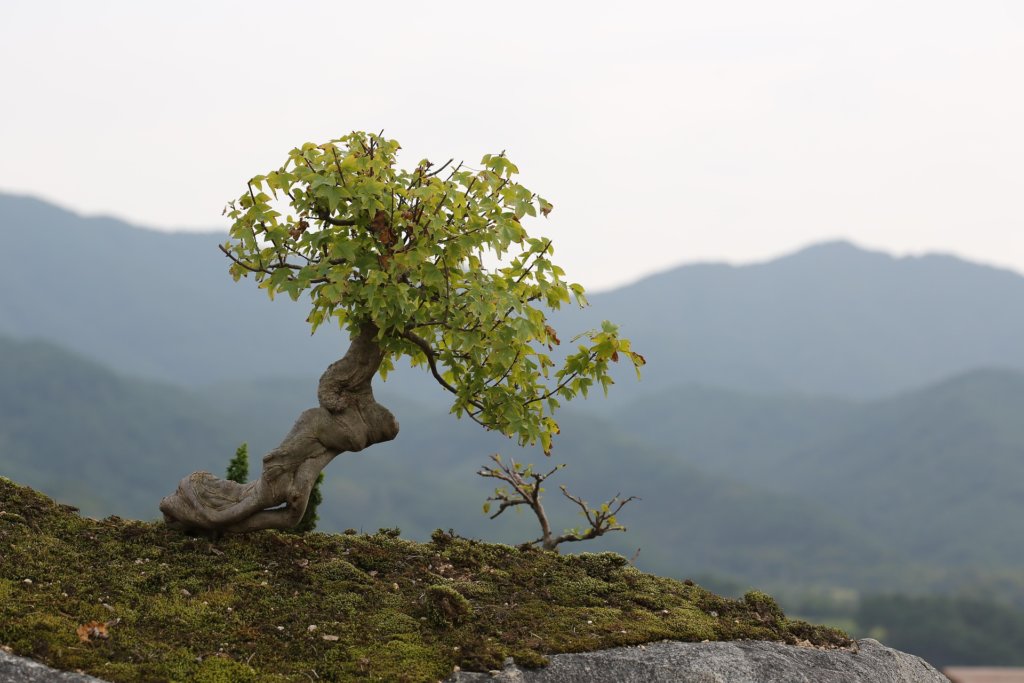
What happens if you plant a bonsai in the ground depends on your goal and care routine. In most cases, the tree grows much faster than it did in a container.
Common outcomes include:
- Thicker trunk in fewer years
- Longer internodes
- Larger leaves
- Stronger root spread
If you ignore pruning, the tree can lose its refined shape. Branch structure may become coarse. You may need heavy cuts later to bring it back under control.
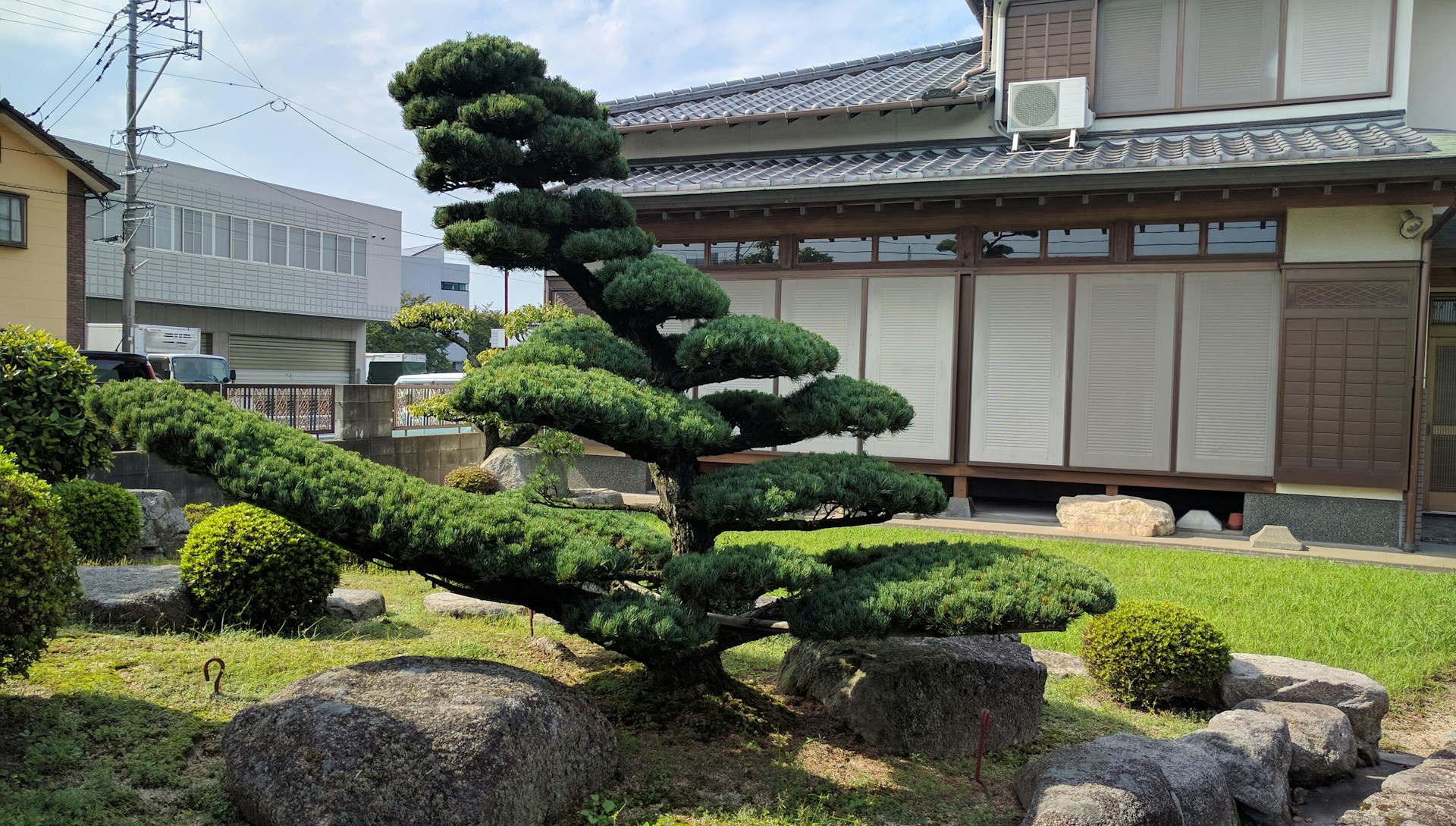
Some growers use this stage on purpose. They treat ground-planted bonsai as a development phase, not a finished display tree. After a few years, they lift the tree, prune the roots, and return it to a pot for detailed bonsai training.
Benefits Of Ground-Growing Bonsai
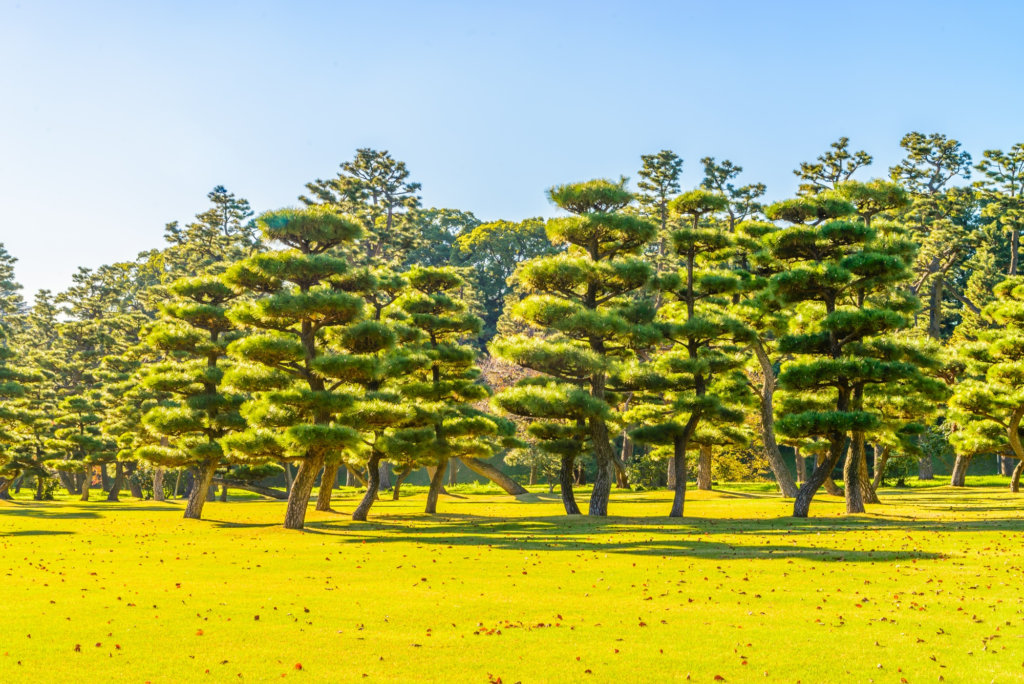
The main benefits of ground-growing bonsai relate to speed and strength. When you grow bonsai in the ground, you shorten the time needed to build trunk size.
This method works well for:
- Young pre-bonsai stock
- Trees with thin trunks
- Early bonsai development stages
You gain better root health in many cases. Open soil allows better drainage and wider root spread. The tree can access more nutrients than it could in a small container.
Growing bonsai in the ground also reduces daily watering needs. The soil holds moisture longer than a shallow pot. For busy growers, this can make care easier during hot months.
Drawbacks And Common Mistakes
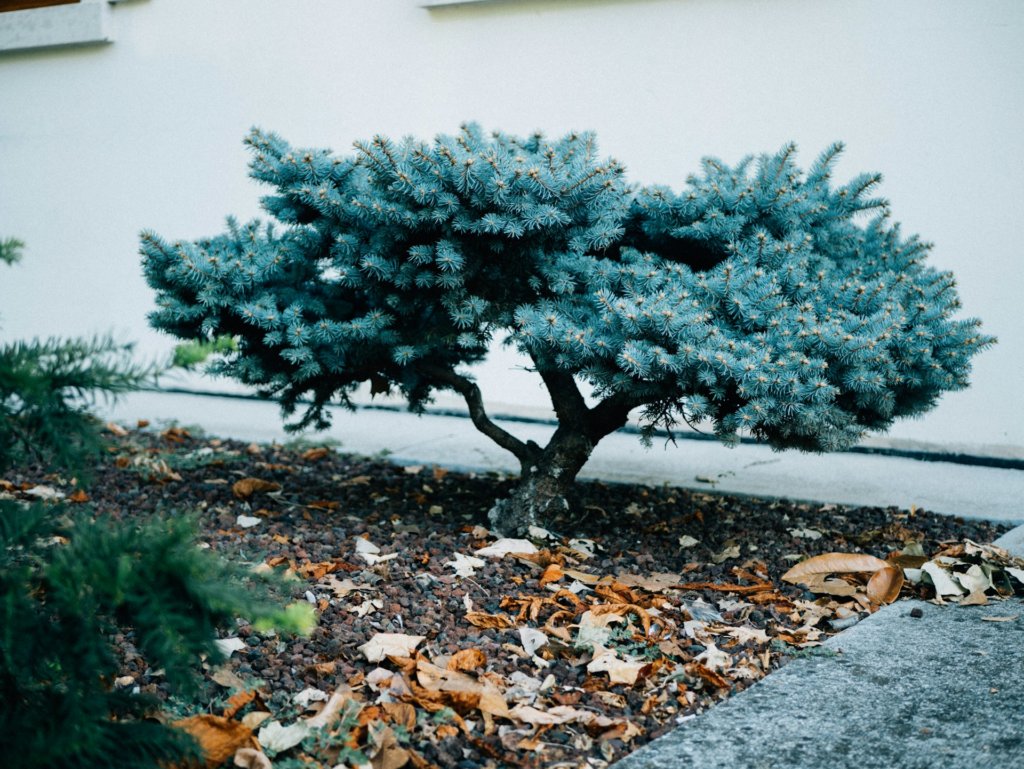
Planting bonsai trees in the ground can create problems if you skip planning. The biggest risk is loss of control.
Common mistakes include:
- Waiting too long to prune
- Choosing the wrong bonsai species for your climate
- Planting too deep
- Forgetting future root removal
Some species handle in-ground bonsai culture better than others. Junipers, maples, and elms often respond well. Tropical species may struggle in cold soil if you plant at the wrong time.
You should also think about when to plant bonsai in the ground. Early spring, just before strong growth starts, works best for many temperate trees. This timing reduces stress and supports quick root recovery.
If you plan ahead and prune on schedule, you can use ground growth as a tool. If you neglect it, the tree will outgrow your design and require major correction later.
How To Successfully Plant And Care For Bonsai Trees In The Ground
You can plant a bonsai tree in the ground to speed up growth and improve trunk size. You must choose the right tree, site, soil, and care plan to keep control over shape and health.
Best Trees And Pre-Bonsai For In-Ground Growing
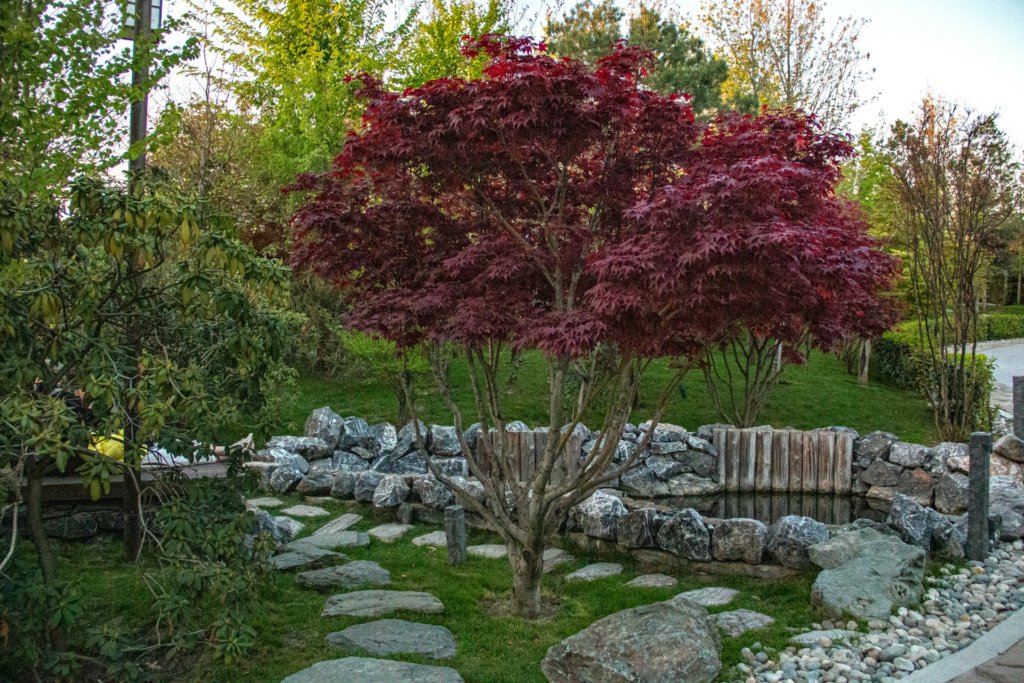
You get the best results with hardy outdoor species. Good choices include juniper, pine, maple, elm, and Chinese quince. These trees handle sun, wind, and seasonal changes well.
Use young stock or pre-bonsai material for in-ground growing. Pre-bonsai development focuses on thickening the trunk and building strong roots before you refine the design. Planting bonsai in the ground helps the trunk grow faster than in a shallow pot.
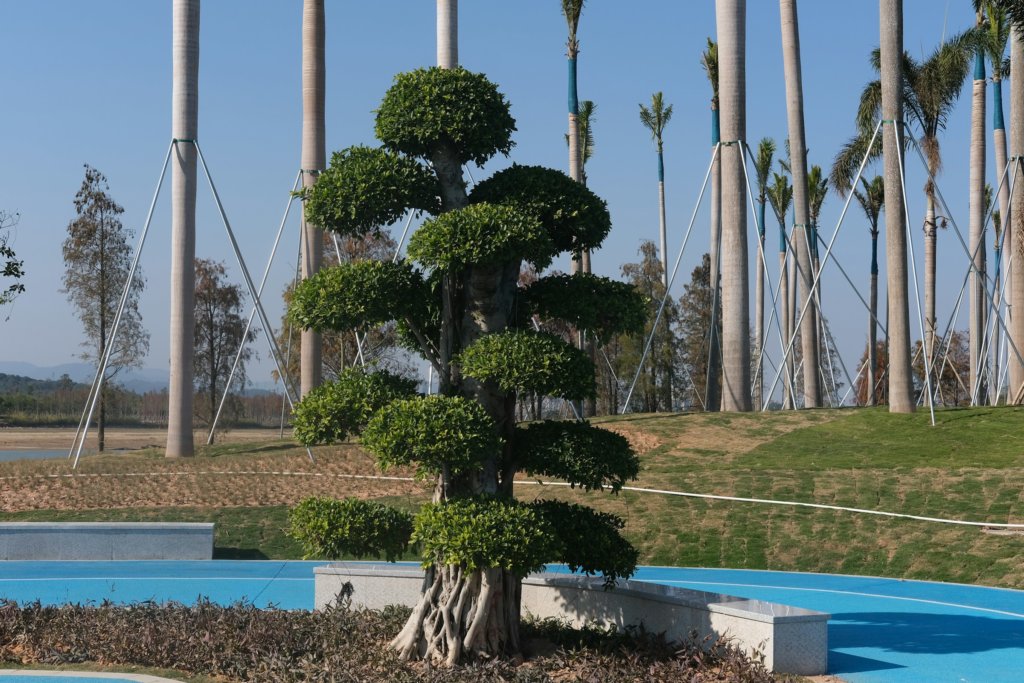
Avoid tropical indoor bonsai such as ficus unless you live in a warm climate year-round. Most indoor bonsai do not survive cold winters outside.
In China, large landscape-style plantings similar to bonsai are called penjing. The idea is similar: you grow trees in open soil to gain strength before detailed shaping.
Essential Soil, Site, And Climate Conditions
Choose a site with the right light for your species. Many outdoor bonsai need full sun for at least six hours a day. Some maples prefer light afternoon shade to prevent leaf burn.
Good drainage is critical. Heavy clay soil holds water and can cause root rot. If your yard has dense soil, mix in coarse sand, pine bark, or compost to improve drainage.
You can plant a bonsai tree in regular soil if it drains well. Avoid soggy areas or low spots where water collects after rain.
Check your climate zone. Outdoor bonsai need winter dormancy in many cases, while indoor bonsai do not tolerate frost. Match the tree to your local temperatures to avoid stress and dieback.
Planting Process: Step-By-Step Guide
Follow clear steps when you plant a bonsai tree in the ground:
- Prepare the hole. Dig a hole twice as wide as the root ball but no deeper than its height.
- Inspect the roots. Trim damaged or circling roots. Spread them outward.
- Set the tree at proper height. Keep the root flare slightly above soil level.
- Backfill and firm the soil. Remove air pockets but do not pack the soil too tight.
- Water deeply. Soak the area to settle the soil around the roots.
Some growers place a flat tile under the root ball. This limits downward root growth and encourages a wide, shallow root system that suits future bonsai cultivation.
Add mulch around, but not against, the trunk. This keeps moisture even and reduces weeds.
Ongoing Maintenance And Bonsai Training
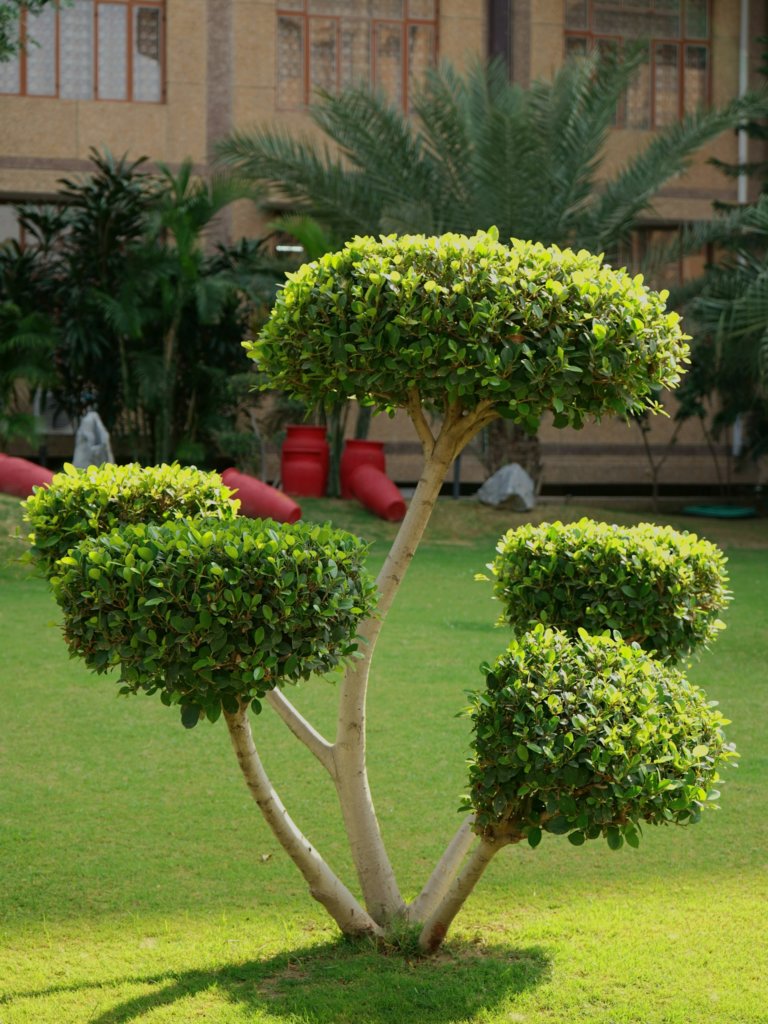
In-ground growth increases vigor. You must prune more often to control size and shape.
Let sacrifice branches grow to thicken the trunk. Remove them later to refine the silhouette. Follow the bonsai rule of three when shaping: avoid branches that grow directly opposite each other or from the same point.
Check soil moisture often during the first year. Even in the ground, young trees can dry out in hot weather.
Dig up and root-prune every one to three years if you want to maintain bonsai proportions. This step keeps roots compact and prevents the tree from becoming a full-size landscape plant.
Feed with balanced fertilizer during the growing season. Strong growth now makes later styling easier and more precise.