Is bonsai a difficult hobby?
You may have heard that bonsai is hard and only for experts. That idea often comes from its long history and its link to careful shaping and design. Bonsai does take time and steady care, but it is not out of reach.
Bonsai is not too difficult for you if you commit to regular care, patience, and a willingness to learn basic skills. You do not need to create a show tree. You only need to keep your tree healthy and shape it over time.
As you look closer, you will see what makes bonsai both challenging and rewarding. You will learn how daily habits, plant choice, and simple techniques shape your success and help you decide if this hobby fits your life.
What Makes Bonsai a Challenging Yet Rewarding Hobby?
Bonsai demands steady care, practical skill, and patience over time. You shape living miniature trees, so your results depend on daily attention and informed choices.
Understanding the Time and Patience Required
Bonsai is not a set-it-and-forget-it plant. You must check your bonsai tree often, sometimes daily, to monitor soil moisture, light, and leaf health.
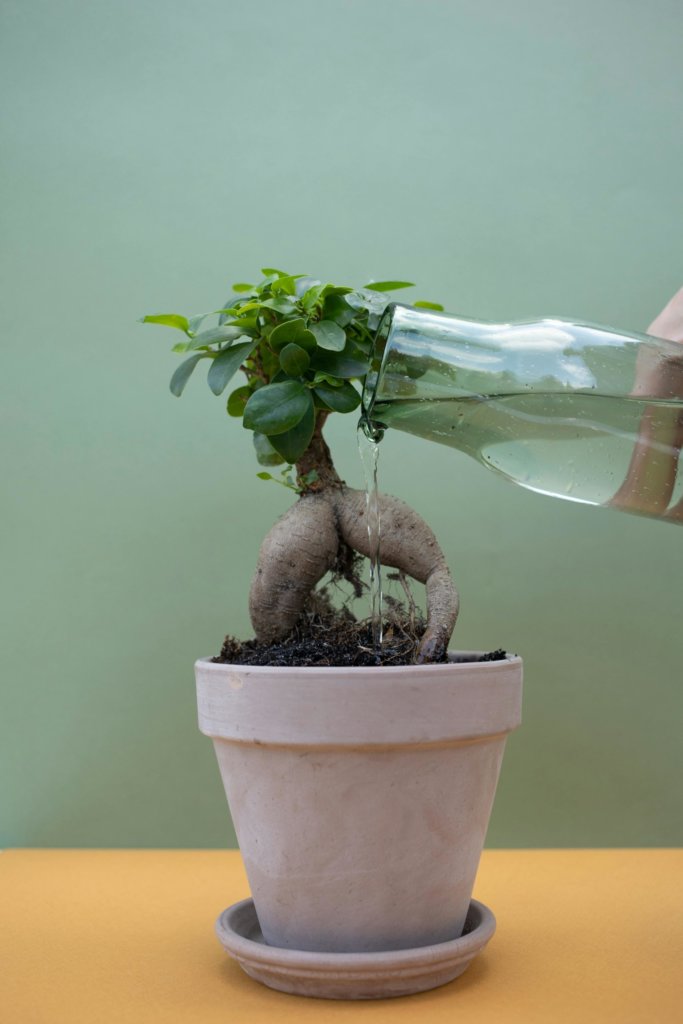
Watering alone requires care. Too much water can rot roots, while too little can dry them out. Small pots dry faster than regular plant containers, so you need to watch them closely.
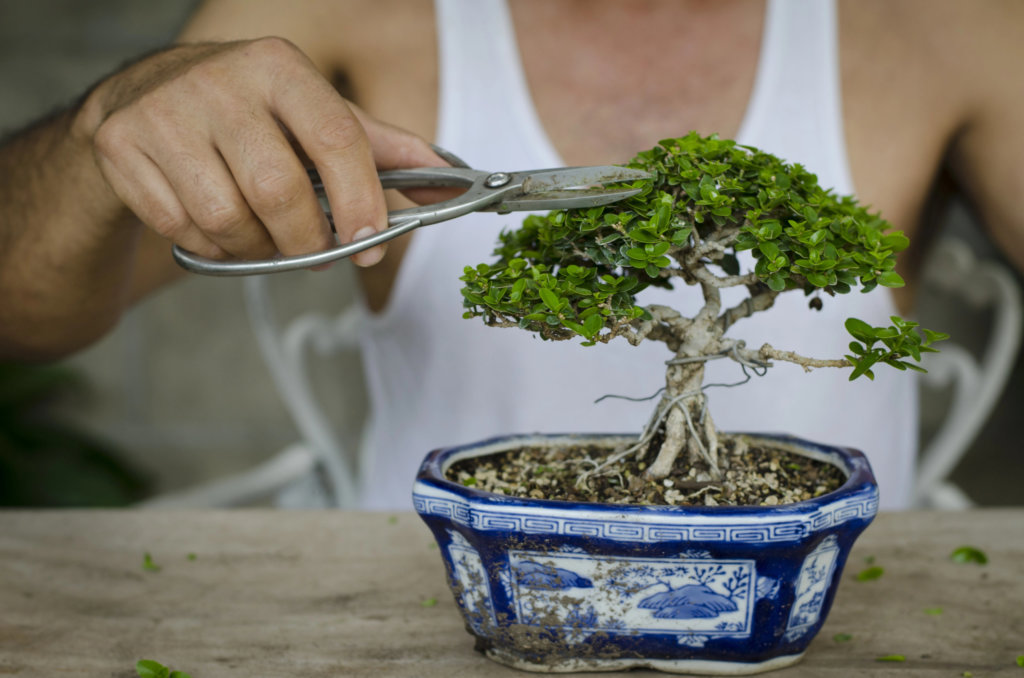
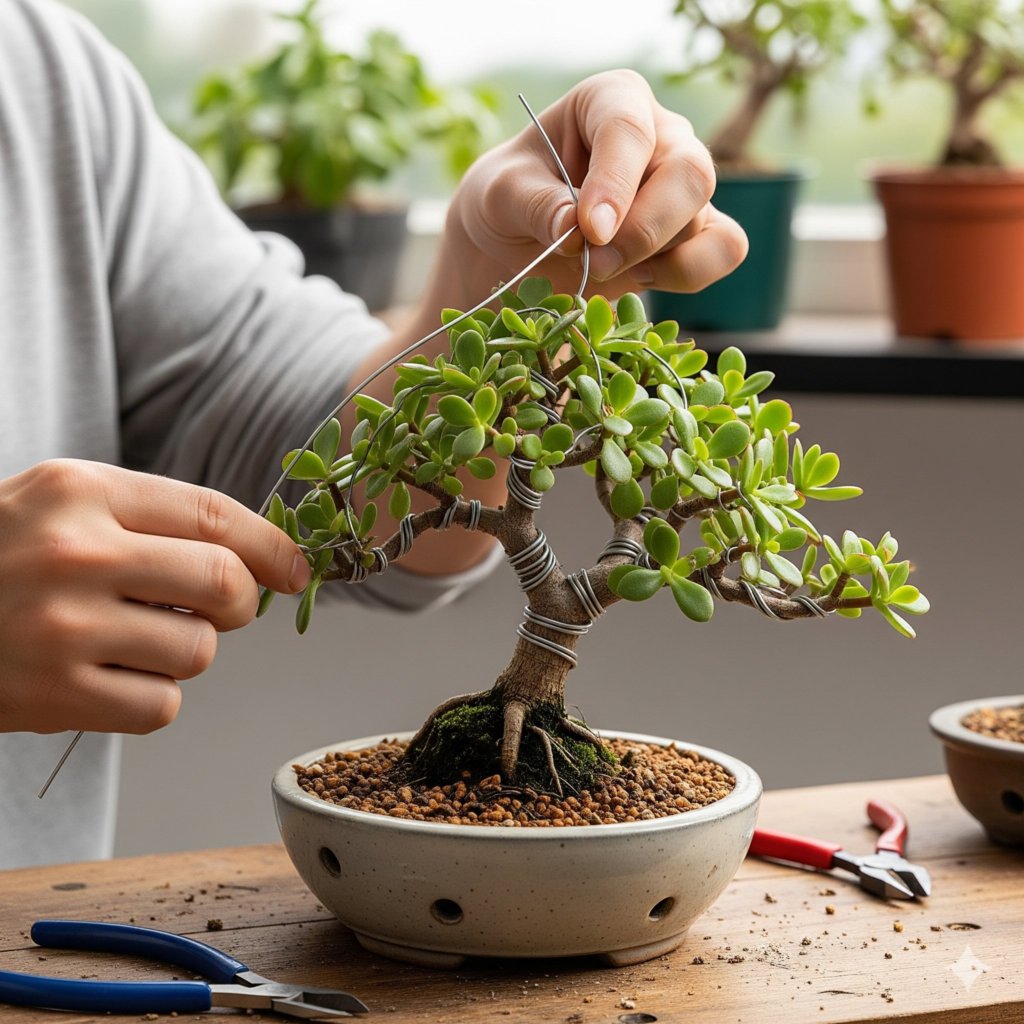
Pruning and wiring also take time. You trim branches to guide shape and remove unwanted growth. You may adjust wires over weeks or months as the tree changes.
Progress moves slowly. The art of bonsai develops over years, not weeks. You commit to a long bonsai journey, where steady effort shapes the final result.
Essential Knowledge and Skills for Success
You need basic plant knowledge to succeed in bonsai cultivation. Light, soil type, watering habits, and seasonal changes all affect your tree’s health.
Different species have different needs. A juniper bonsai does not require the same care as a ficus or maple. You must learn what your specific bonsai tree prefers.
Key skills include:
- Pruning to control shape and growth
- Wiring to guide branch direction
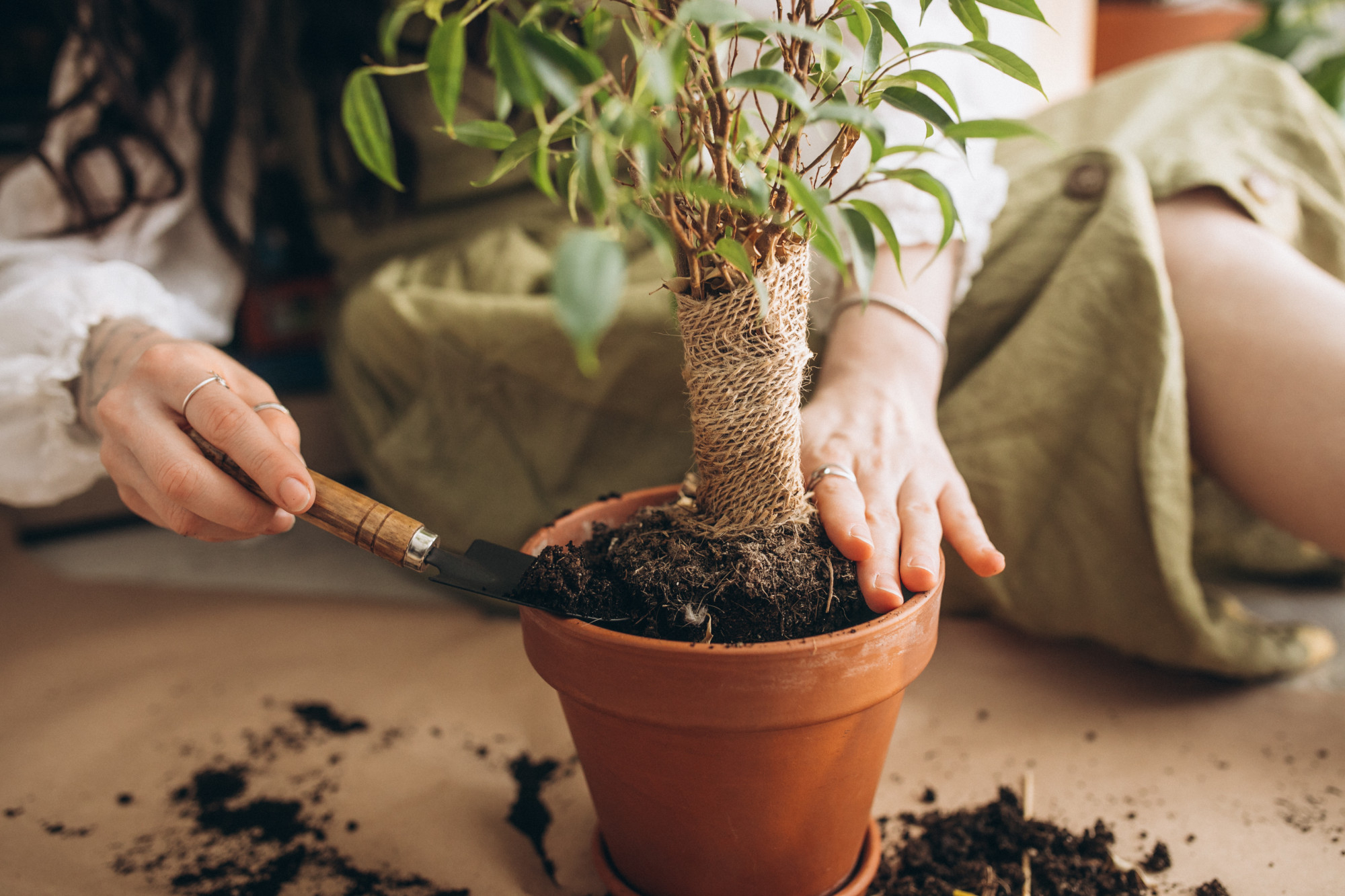
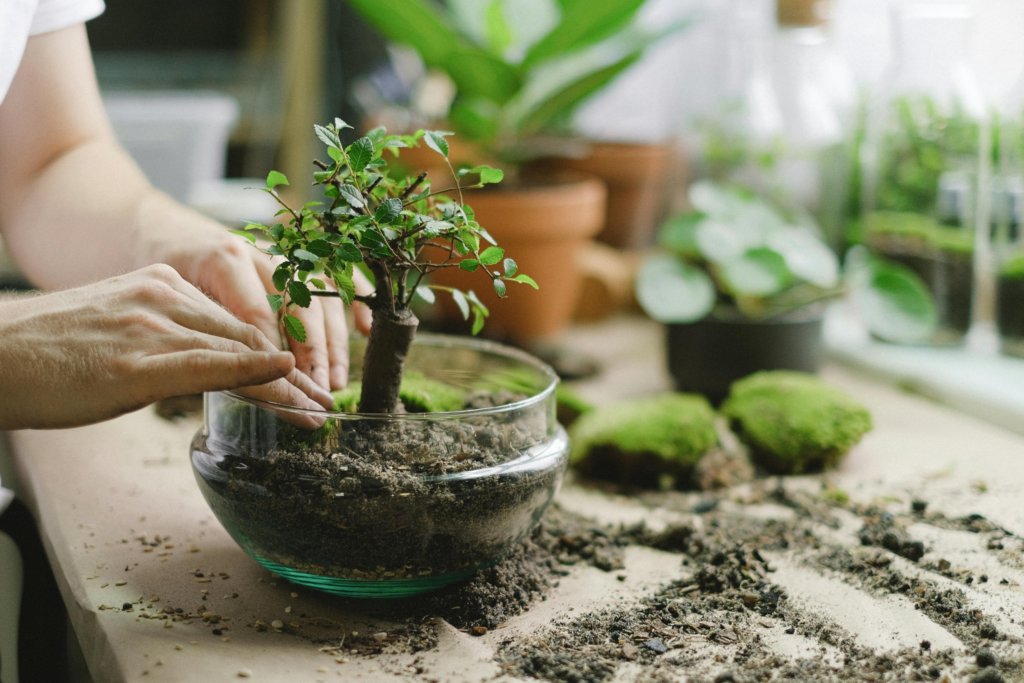
- Repotting to refresh soil and trim roots
- Pest control to prevent damage
You do not need expert-level training to begin. However, you must learn core techniques and apply them with care. The more you understand the art of bonsai, the more confident your decisions become.
Difficulty Levels for Beginners Versus Experienced Growers
Bonsai for beginners can feel demanding at first. You may struggle with inconsistent watering methods or shaping decisions. Mistakes often happen during the first year.
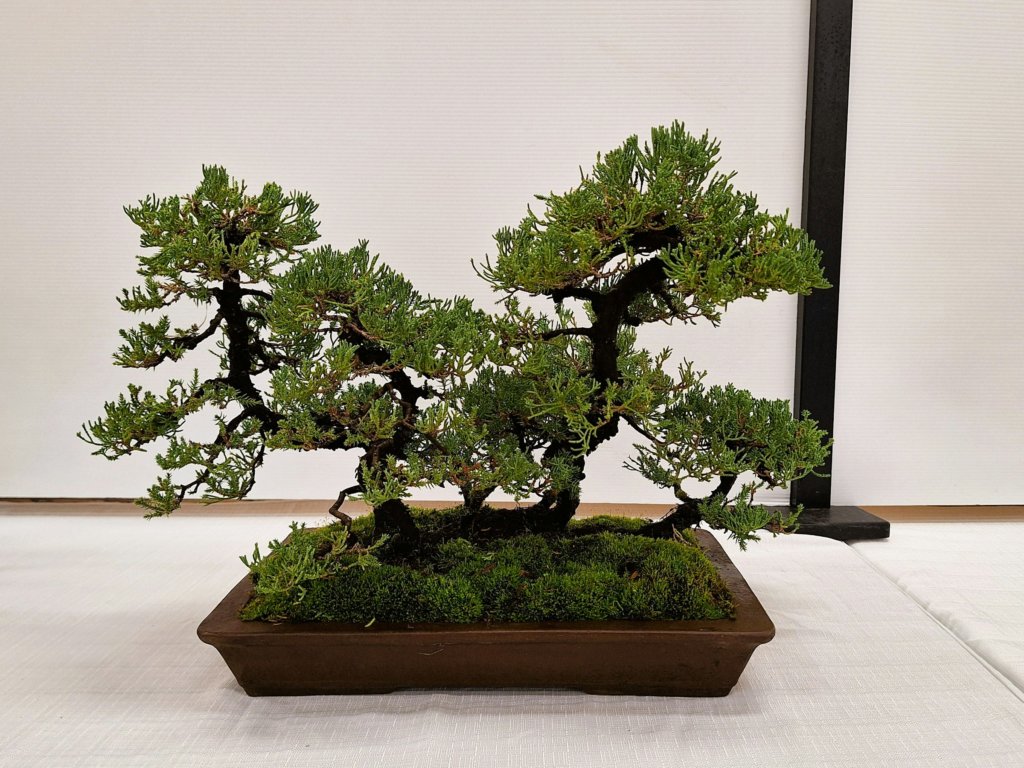
Some species make the start easier. Hardy trees like juniper or Chinese elm tolerate small errors better than delicate varieties. Choosing the right plant lowers early frustration.
As you gain experience, tasks become more natural. You begin to read leaf color, soil dryness, and growth patterns with less guesswork.
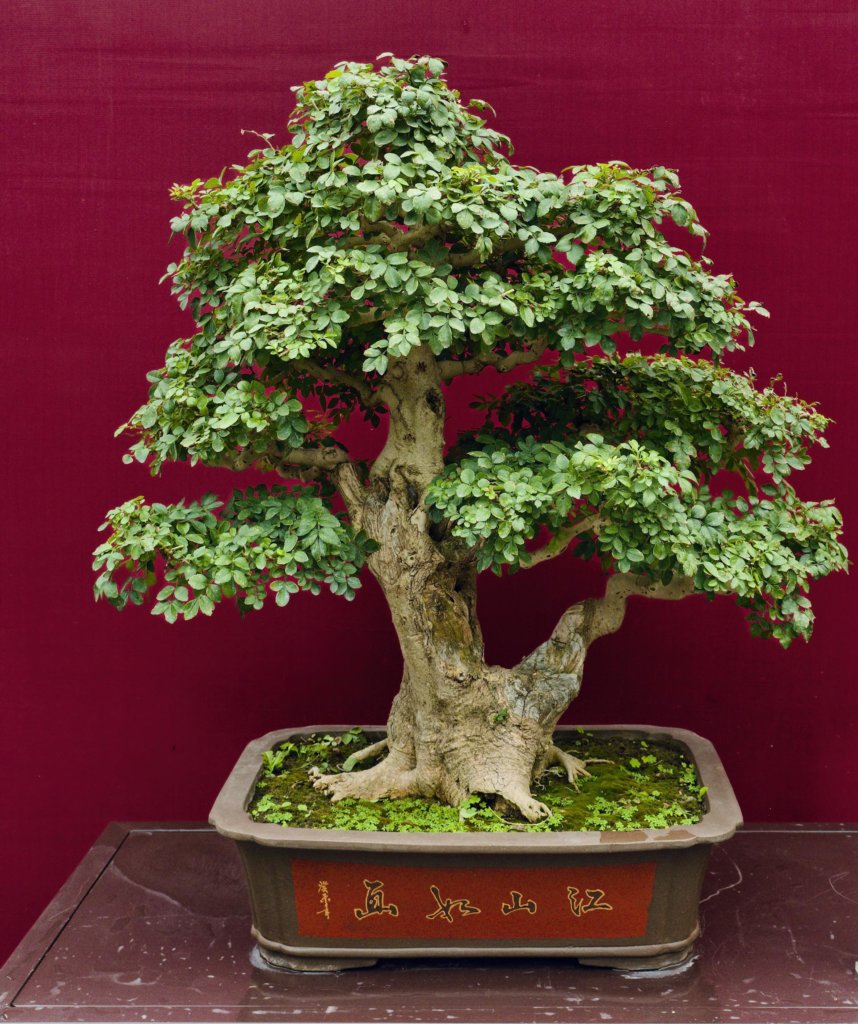
Experienced growers often take on advanced design work. They refine trunk shape, create balanced branch structure, and plan long-term growth. The hobby stays challenging, but your skill makes each step more controlled and rewarding.
Key Factors Influencing Bonsai’s Difficulty
Bonsai feels hard or easy based on the species you choose, the care you give, and the tools you use. When you match the tree to your space and follow a steady routine, you reduce most common problems.
Choosing the Right Bonsai Species
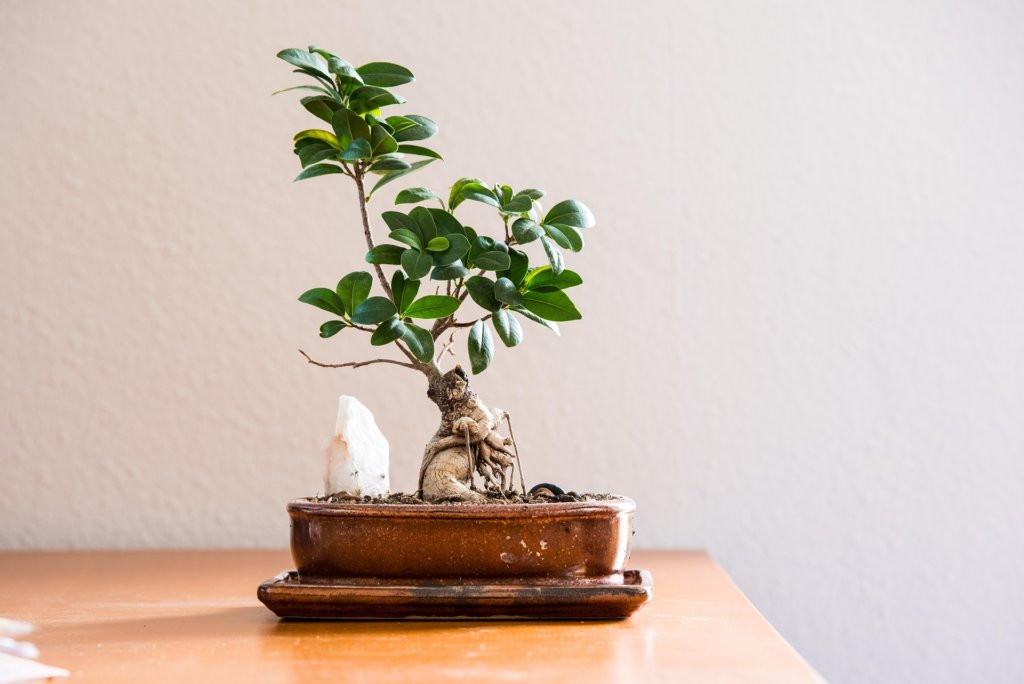
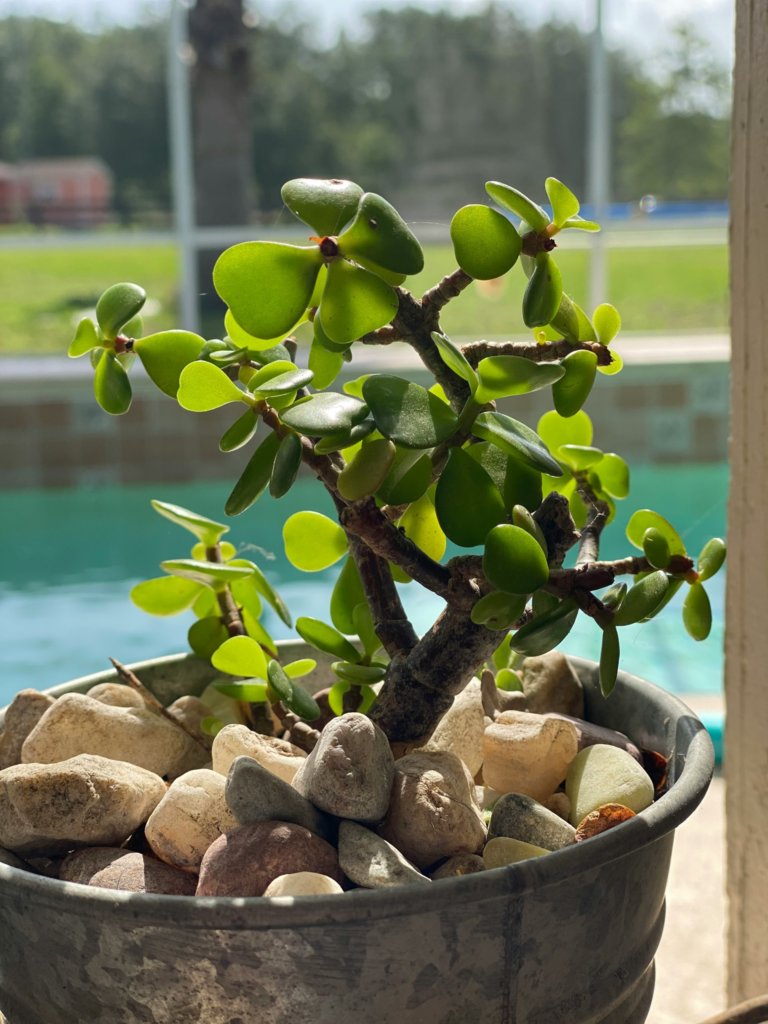
Your choice of bonsai species has the biggest impact on difficulty. Some bonsai trees handle missed watering or small light changes better than others.
If you plan on growing bonsai indoors, choose species that tolerate low humidity and steady room temperatures. Common indoor bonsai options include:
These types of bonsai adapt well to home conditions and suit beginners.
Outdoor species like Juniper or Pine need seasonal changes and full sun. If you keep them inside, they often weaken. Sensitive species that react poorly to temperature swings or low light require closer monitoring and more skill.
When you start with a hardy tree, you spend less time fixing problems and more time learning pruning and shaping.
Importance of Care: Watering, Pruning, and Shaping
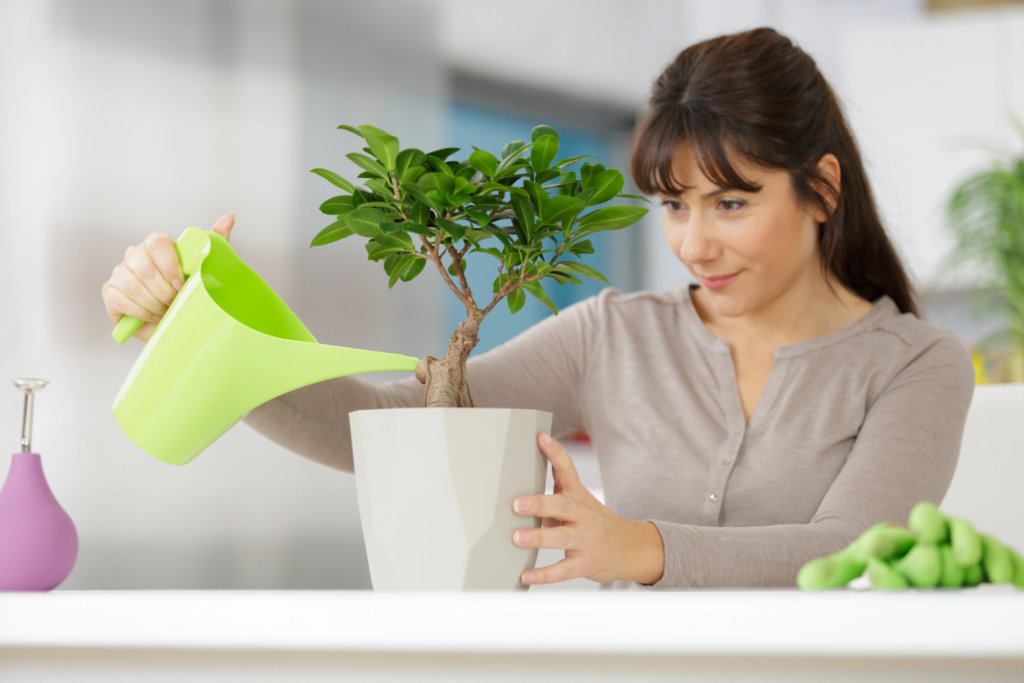
Bonsai care depends on consistency. Most problems come from irregular watering, poor light, or skipped pruning.
You must water based on soil dryness, not on a fixed calendar. Check the soil daily. Water deeply when the top layer feels slightly dry. Overwatering can rot roots, while underwatering dries them out quickly because bonsai pots hold limited soil.
Pruning and shaping control size and structure. Trim new growth to maintain shape. Remove dead or crowded branches to improve airflow and light.
Shaping often uses wire to guide branch direction. You must monitor wired branches closely. If you leave wire on too long, it scars the bark.
With a simple routine, light, water, and pruning, most bonsai trees remain healthy and stable.
Tools and Techniques for Bonsai Cultivation
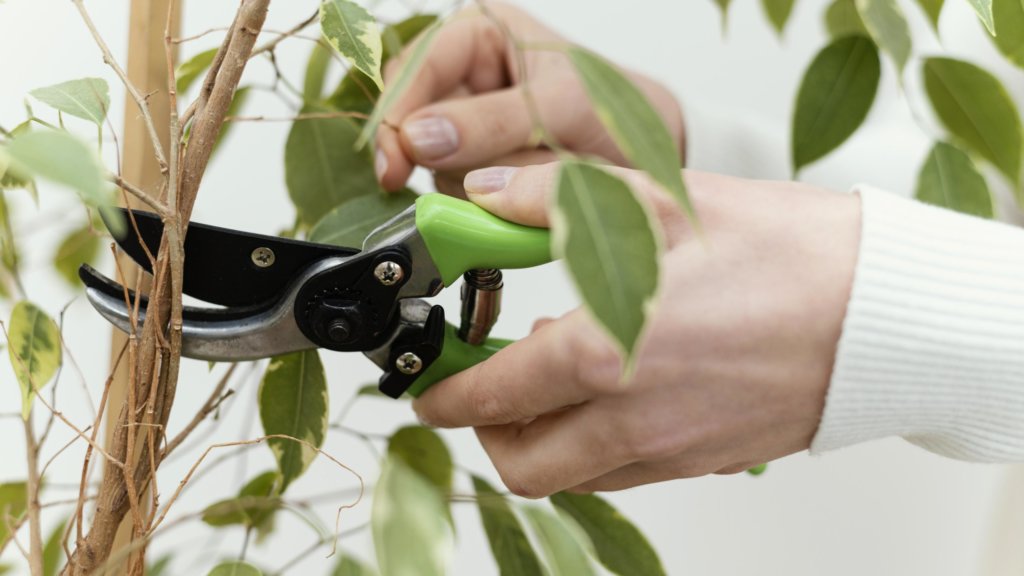
You do not need many bonsai tools to begin, but quality tools improve results. Basic tools include:
- Pruning shears
- Concave cutters for clean branch removal
- Aluminum or copper wire for shaping
- Root rake for repotting
Concave cutters create a slight inward cut. This helps the tree heal with less visible scarring.
Many beginners use a bonsai starter kit. A good bonsai starter kit may include basic tools, soil, and sometimes seeds or a young tree. Seeds take years to develop, so starting with a young plant reduces frustration.
As your skills grow, you can expand your tools. At first, focus on clean cuts, proper wiring, and careful repotting. Simple techniques, done well, keep the hobby manageable.