How Long Do Bonsai Trees Live?
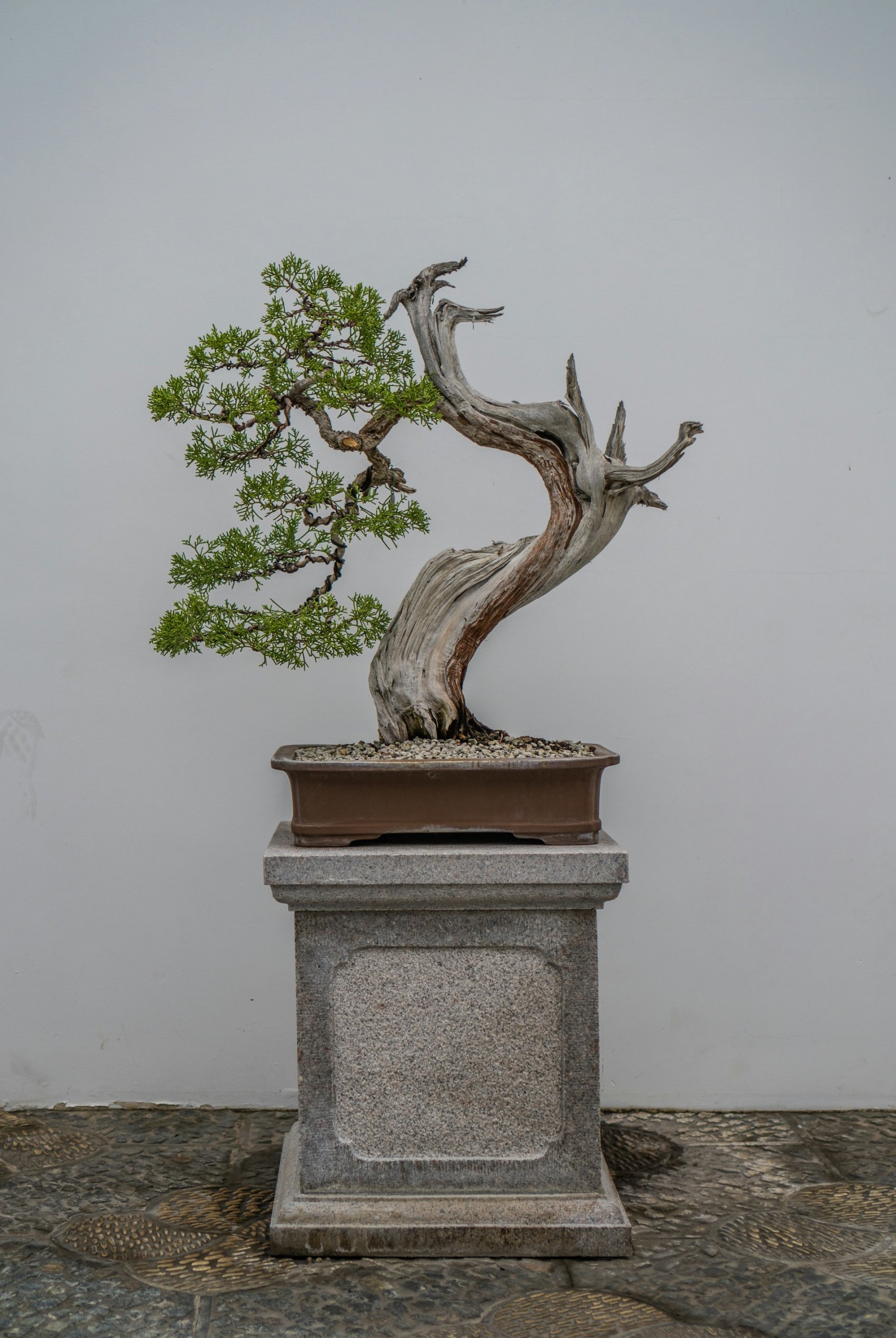
You may wonder how long a bonsai tree will live once you bring one into your home. These small trees can stay with you for decades, and in many cases, for generations. With proper care, many bonsai trees live 50 to over 100 years, and some even survive for nearly a millennium.
Your tree’s lifespan depends on the species you choose and how well you care for it. Some types, like juniper and pine, often live longer than others. Watering, pruning, soil, light, and repotting all play a direct role in how long your bonsai stays healthy.
When you understand what affects a bonsai’s lifespan, you can make choices that help it thrive for years. A well-cared-for bonsai does not just survive in a small pot. It grows stronger with steady care and attention.
How Long Does a Bonsai Last?
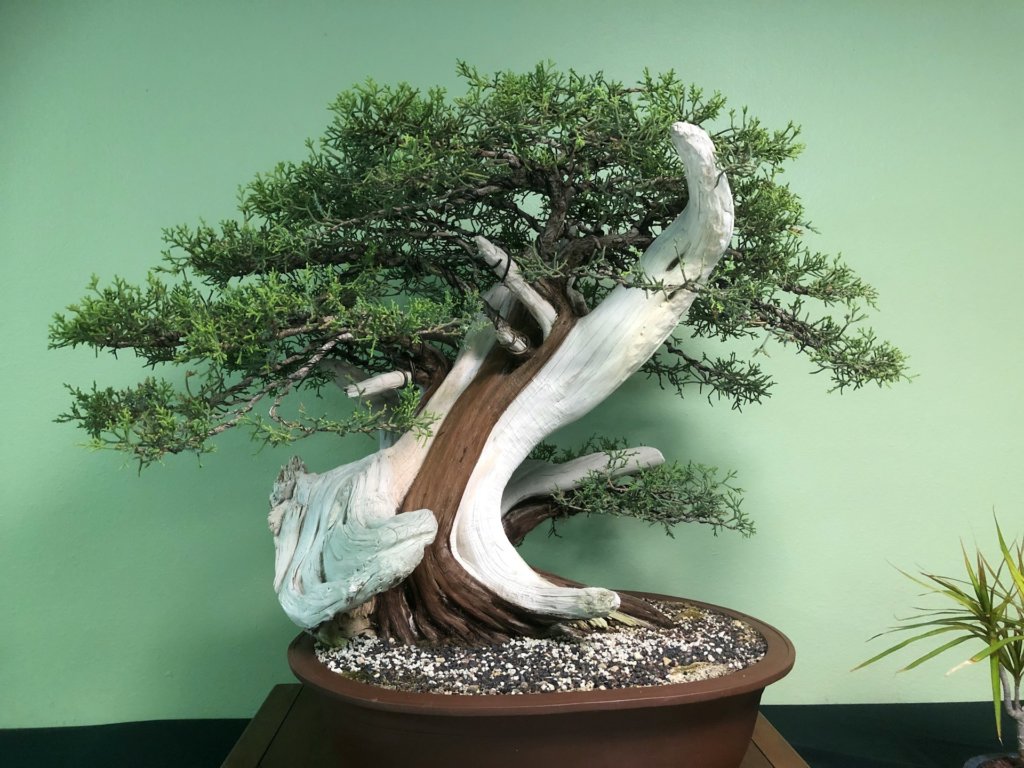
Bonsai trees can live for decades, and many live for a century or more with proper care. Their lifespan depends on the species you choose and how well you maintain water, light, pruning, and repotting.
Average Bonsai Tree Lifespan
When you ask, how long do bonsai trees live, the simple answer is that they are genetically identical to full-sized trees and can thrive for centuries. With steady care, some reach 200 years or more.
Your bonsai tree’s lifespan depends on daily care. You must water appropriately, prune roots and branches, repot every few years, and protect the tree from pests. Outdoor bonsai often live longer than indoor ones because they receive natural light and seasonal changes.
Many growers treat bonsai as a lifelong hobby. If you maintain healthy soil, correct light, and proper trimming, your bonsai can outlive you.
Key factors that affect bonsai lifespan:
- Species type
- Indoor vs. outdoor placement
- Watering habits
- Root pruning and repotting
- Pest and disease control
Species Differences and Notable Longevity
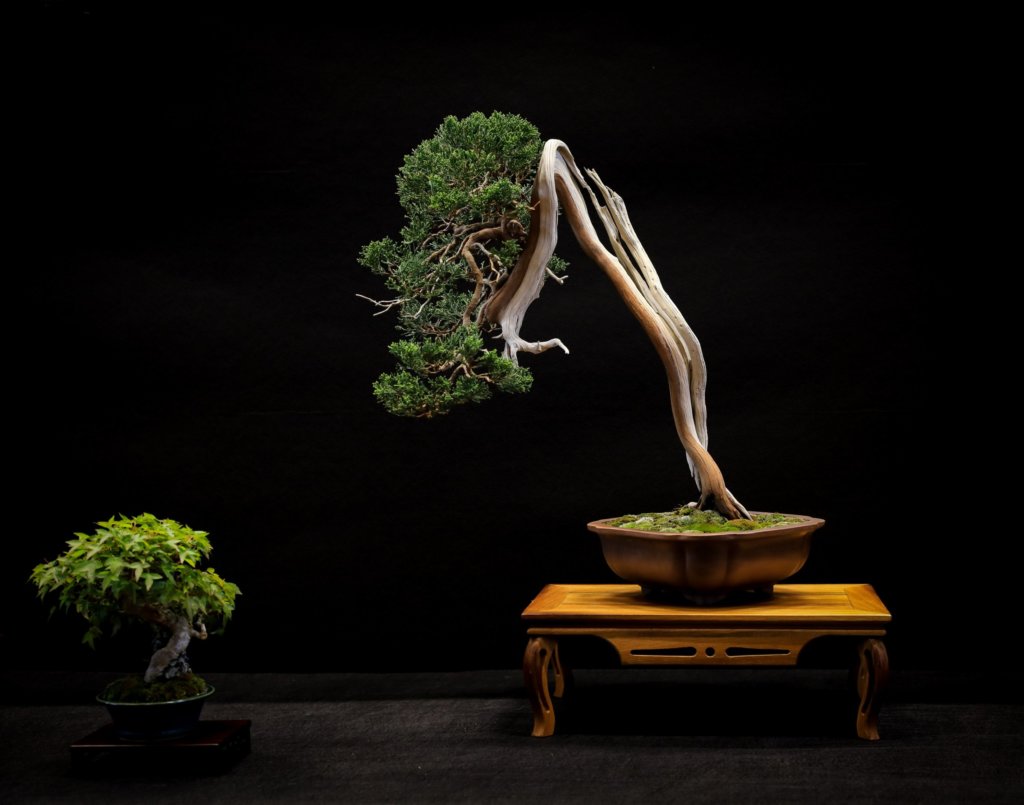
Different bonsai species live for different lengths of time. Some types naturally grow old.
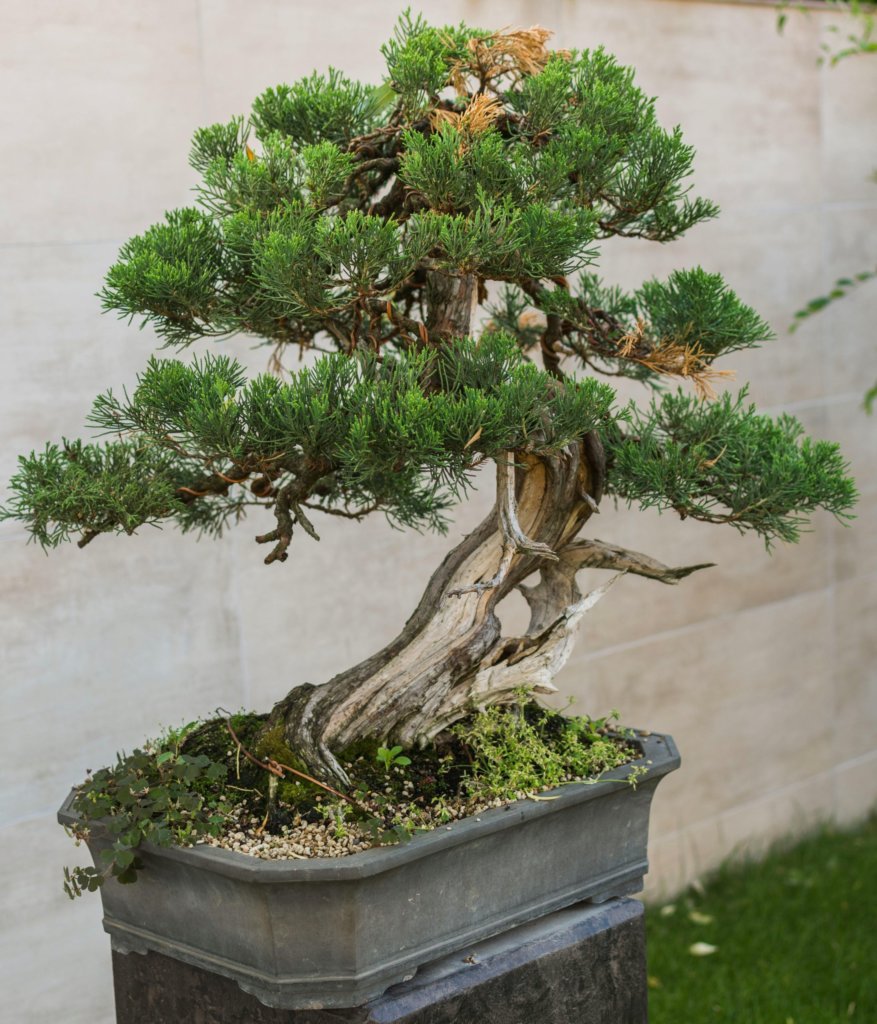
Pine bonsai and juniper bonsai trees are among the longest-living. These species can live for several centuries when you grow them outdoors. Many ancient bonsai started as hardy pine or juniper stock.
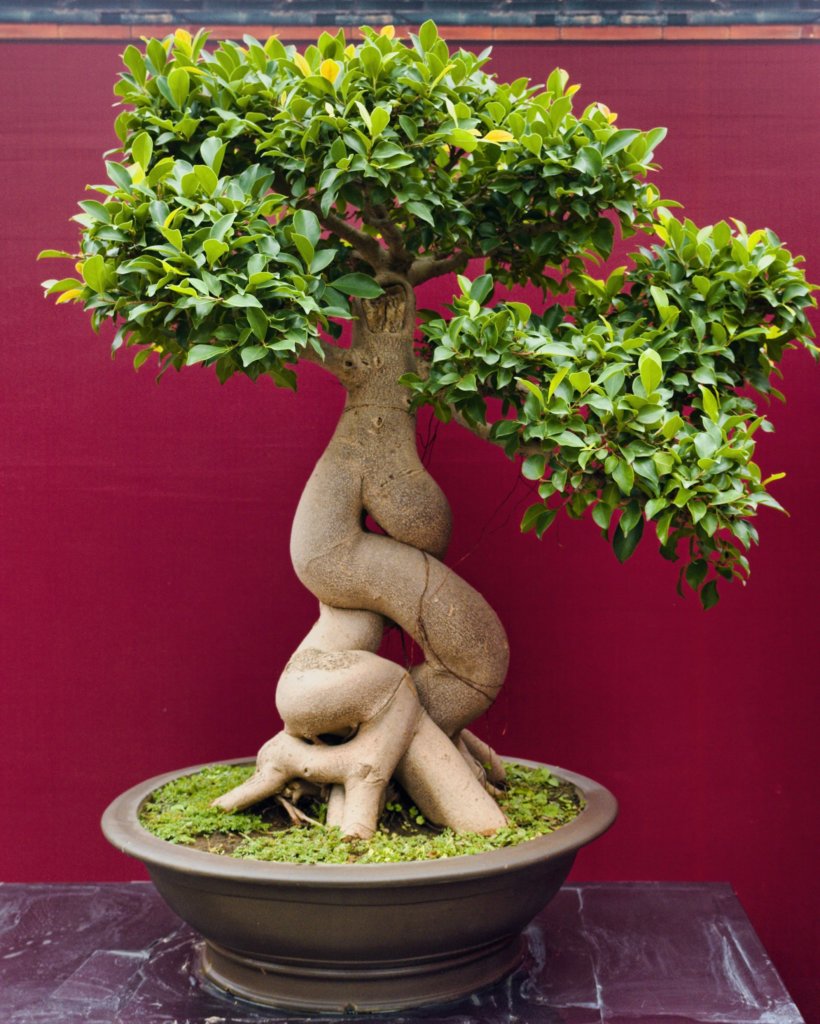
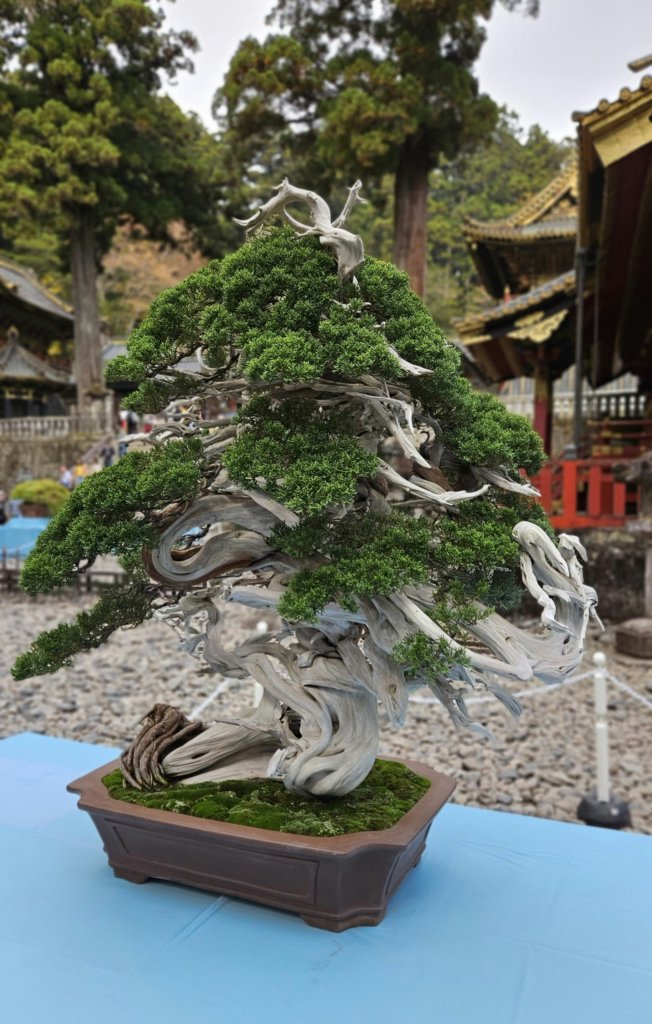
Ficus bonsai, including Ficus retusa, grow well indoors. They can live for many decades, but they usually do not reach the extreme ages of pine bonsai.
Cypress bonsai also show strong longevity when you care for them properly.
Here is a simple comparison:
| Bonsai Species | Typical Lifespan Range | Notes |
|---|---|---|
| Pine bonsai | 100–300+ years | Very hardy outdoors |
| Juniper bonsai | 100–300+ years | Common in ancient bonsai |
| Ficus bonsai | 40–100+ years | Popular indoor choice |
| Cypress bonsai | 80–200+ years | Strong outdoor growth |
If you want a long bonsai lifespan, choose a species known for durability and grow it in the right conditions.
Famous and Ancient Bonsai Trees
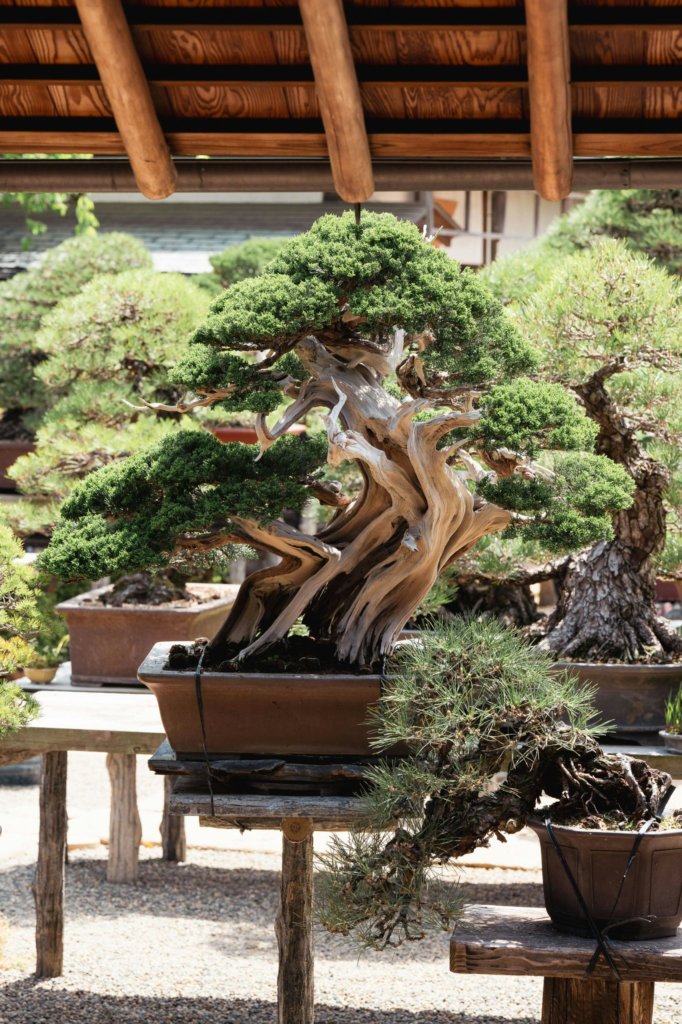
Some of the oldest bonsai trees prove how long this art can last. A few documented trees are more than 800 years old.
The Crespi Ficus at the Crespi Bonsai Museum in Italy stands as one of the most famous bonsai trees in the world. Many consider it the oldest ficus bonsai on display.
In Japan, the Shunkaen Bonsai Museum, run by Kunio Kobayashi, displays several ancient bonsai. These trees show how careful training over generations preserves bonsai art.
The Mansei-en Bonsai Nursery also houses very old specimens. Some pine bonsai have survived for centuries under continuous care.
These ancient bonsai trees exist because growers treated them as living heirlooms. If you provide steady care and protect your tree from stress, your bonsai can live long enough to pass down to the next generation.
Factors That Affect Bonsai Tree Lifespan
Several clear factors shape how long your bonsai tree lives. The species you choose, where you keep it, how you care for it, and the soil and pot you use all play direct roles in its lifespan.
Species Selection and Genetic
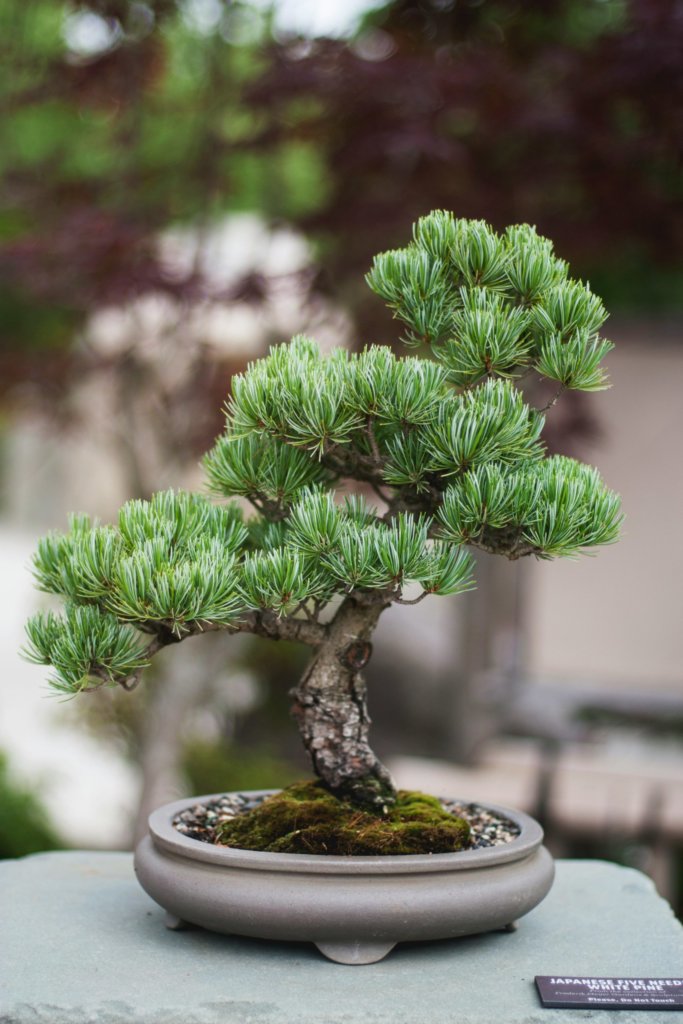
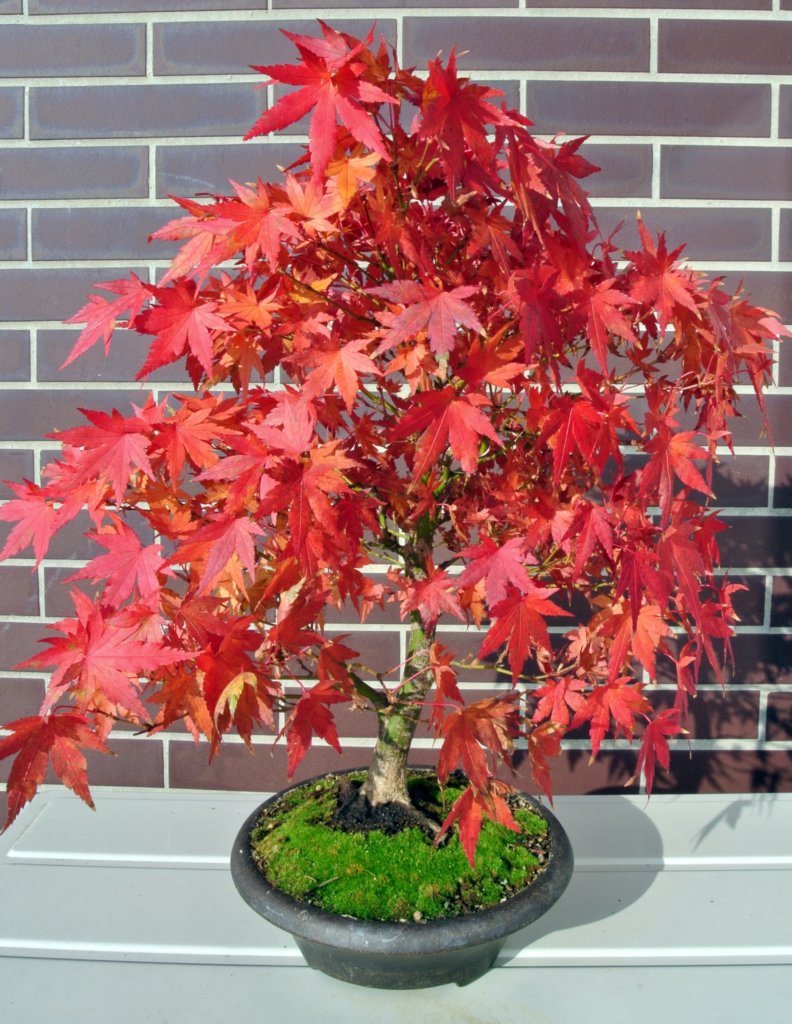
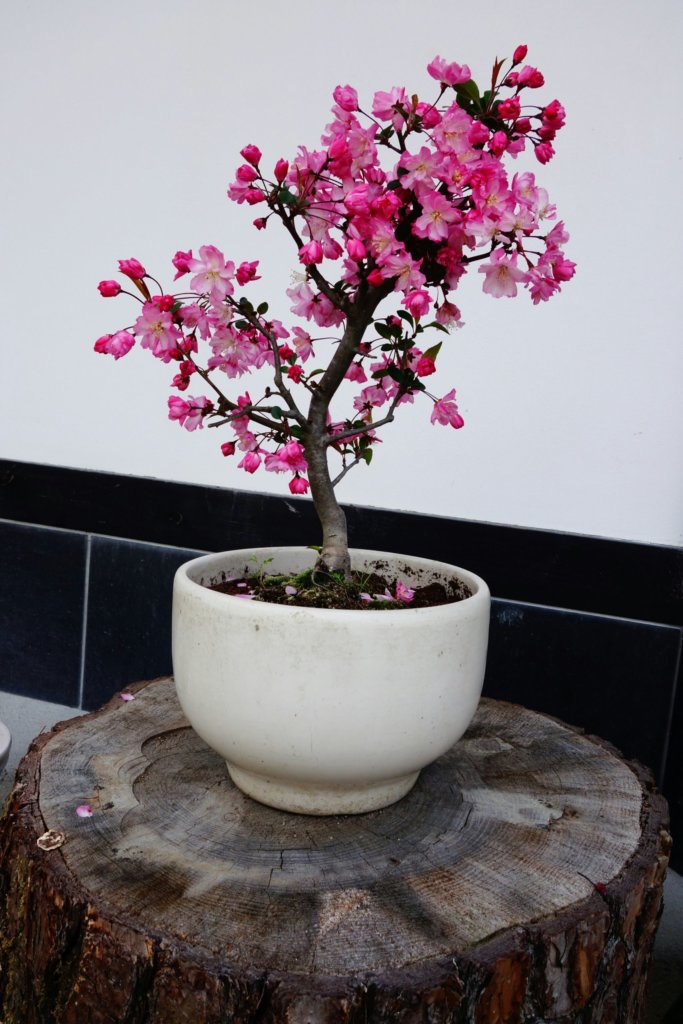
The type of bonsai tree you grow sets the base for its lifespan. Some species naturally live much longer than others.
For example, Japanese white pine can live for well over 100 years with proper bonsai cultivation. In contrast, many deciduous bonsai, such as maple bonsai or cherry bonsai, often have shorter average lifespans. Chinese elm and juniper bonsai are known for strong durability and steady growth.
Cultivation methods matter more than inherent genetics. A tree kept in optimal health through proper pruning, repotting, and soil management will likely resist disease and stress effectively. Poor care will inevitably shorten the lifespan of even the most robust species.
When choosing among types of bonsai trees, consider their natural life expectancy:
- Juniper bonsai – long-lived and hardy
- Pine bonsai – very long lifespan with proper care
- Maple bonsai – moderate lifespan
- Cherry bonsai – often shorter-lived
- Oak bonsai – strong but needs outdoor space
Your species choice shapes what is possible from the start.
Impact of Indoor and Outdoor Environments
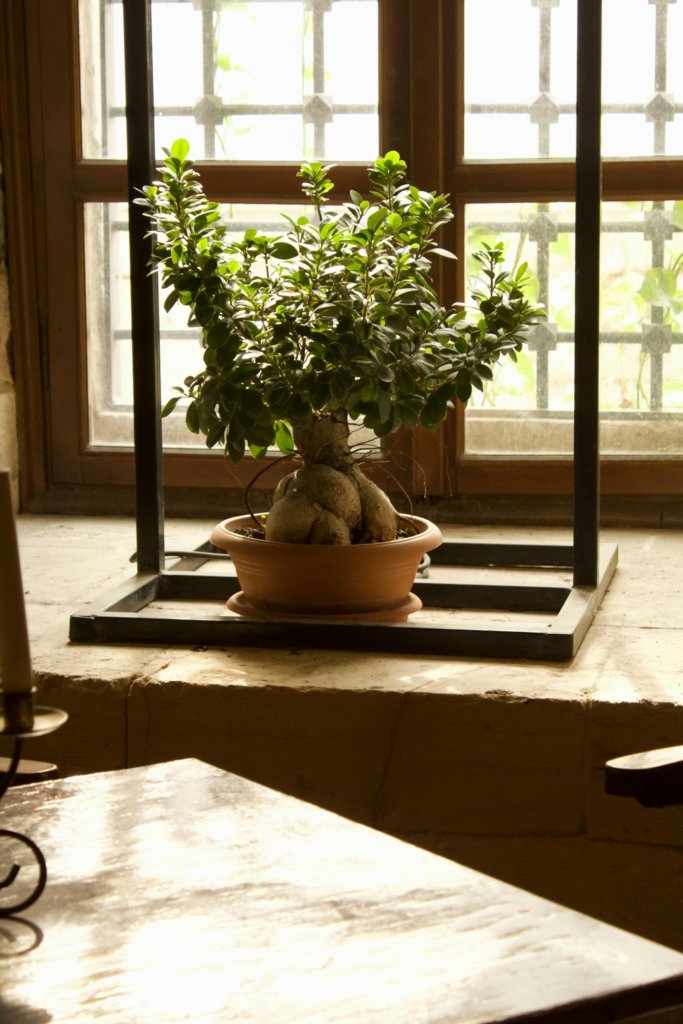
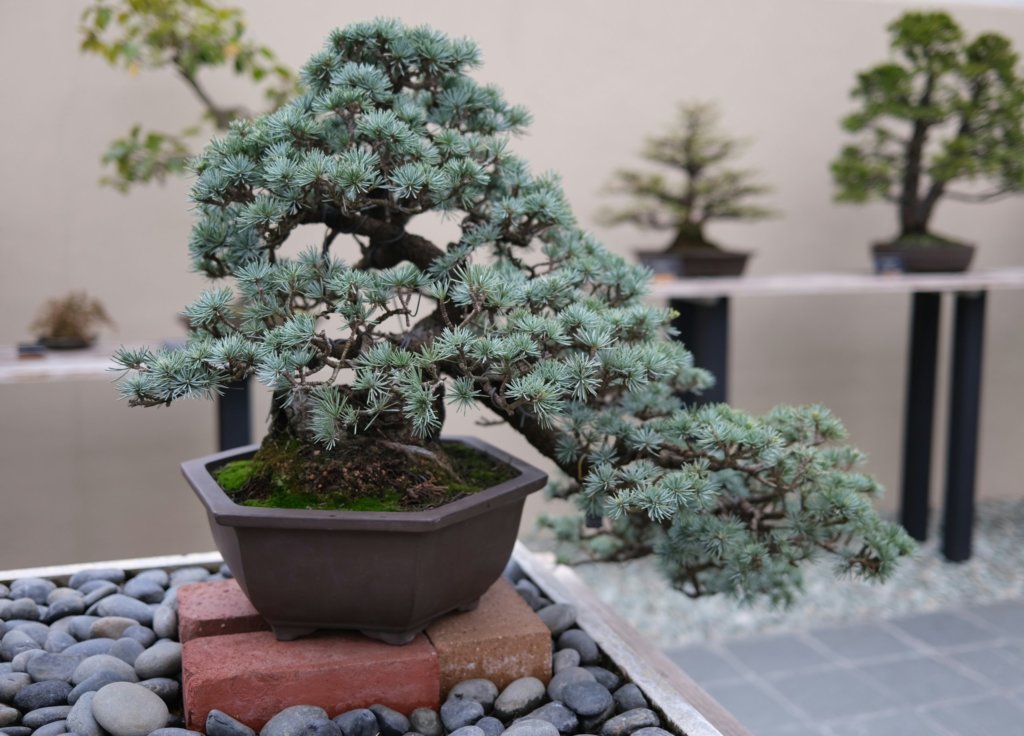
Where you place your bonsai directly affects its health and lifespan. Many trees labeled as indoor bonsai trees are tropical species, such as ficus, that tolerate stable indoor temperatures.
However, most traditional bonsai are outdoor bonsai trees. Juniper, oak bonsai, and maple bonsai need seasonal changes. They require cold winters to enter dormancy. Without this rest period, they weaken over time.
Indoor spaces often have:
- Low humidity
- Limited natural light
- Poor air flow
These conditions can shorten a tree’s life. Outdoor environments usually provide stronger light and natural weather cycles, which support long-term growth.
You must match the tree to the environment. Keeping an outdoor species inside year-round often reduces its lifespan.
Essential Bonsai Tree Care Practices
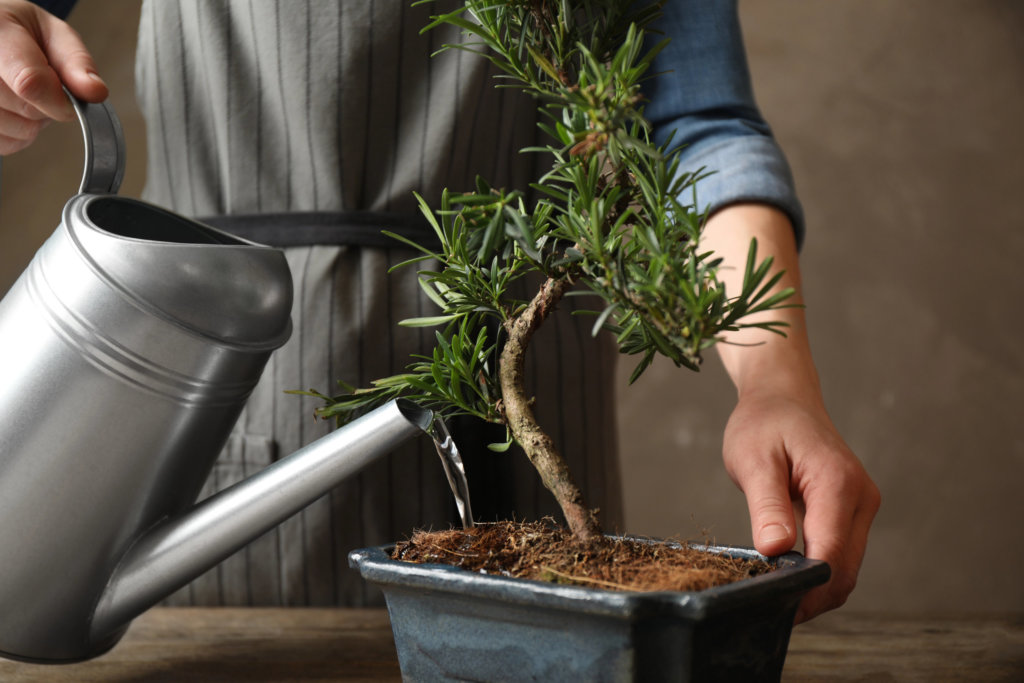
Consistent bonsai tree care plays a major role in longevity. Watering mistakes cause more harm than most other issues.
You should water when the top layer of bonsai soil feels slightly dry. Overwatering can rot roots. Underwatering can kill fine feeder roots that miniature trees rely on.
Pruning and trimming also affect lifespan. Proper pruning supports structure and airflow. Poor cuts can invite disease or weaken branches.
Fertilizing during the growing season keeps your bonsai strong. Use a balanced fertilizer suited to your tree type. Deciduous bonsai and evergreen trees often have different feeding needs.
You must also manage pests and diseases quickly. Spider mites, scale insects, and fungal infections can reduce vigor if left untreated. Regular inspection protects long-term health.
Role of Bonsai Soil and Potting
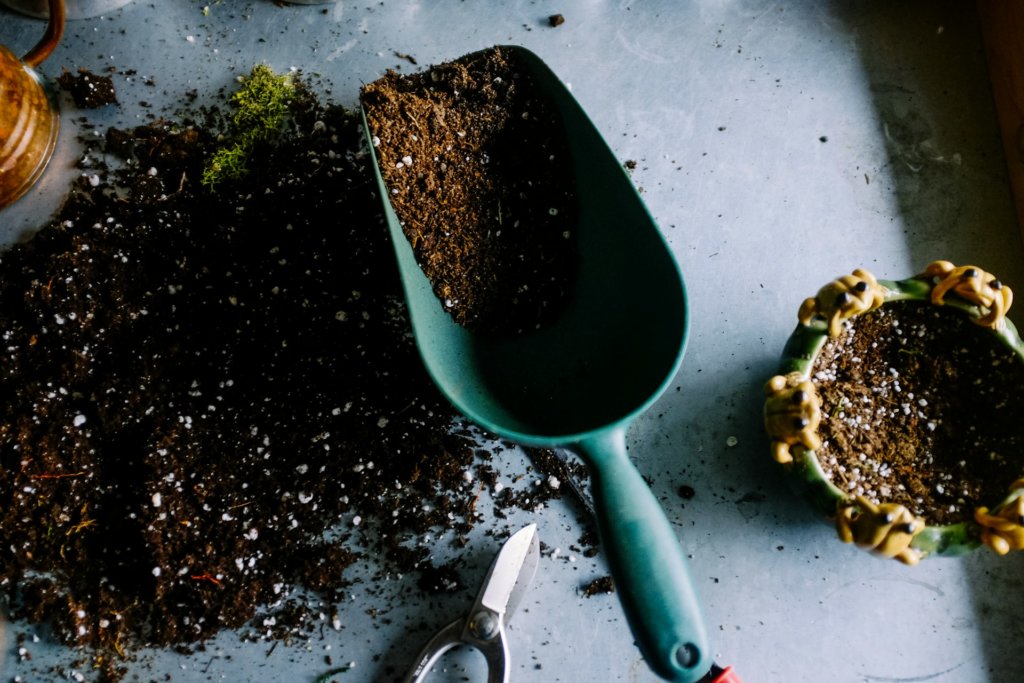
Bonsai soil is not standard garden soil. It must drain well while holding enough moisture for roots.
A typical bonsai soil mix may include:
- Akadama or clay granules
- Pumice
- Lava rock
This structure prevents compacted roots and standing water. Healthy roots support a longer life.
The bonsai pot also matters. A pot that is too small restricts root growth. One that is too large holds excess water and increases rot risk.
You should repot your bonsai every 1–5 years, depending on species and age. Repotting refreshes soil and trims roots. This process keeps the root system balanced and active, which directly supports long-term survival.